




Key Takeaways
- Timeless wall tiles prioritise proportion, tone, and material integrity over short-term trends.
- Cement tiles age differently from factory-made tiles; variation can be a strength or a risk.
- Neutral palettes, controlled textures, and restrained patterns reduce the chance of visual fatigue.
- Installation decisions (grout width, layout, finish) matter as much as tile selection.
Introduction
Choosing wall tiles is no longer a purely aesthetic decision. Due to renovation cycles stretching longer and replacement costs rising, homeowners and designers are increasingly focused on longevity. A tile that looks current today but feels tired in five years becomes an expensive mistake.
That said, this guide breaks the decision down into practical, industry-informed steps to help you choose wall tiles that will still hold visual and functional relevance years from now.
Step 1: Start With Material Behaviour, Not Colour
Know how different tile materials age before looking at shades or patterns. Standard ceramic and porcelain wall tiles offer consistency, colour stability, and predictable wear. Cement tiles, by contrast, are pigmented throughout their body and develop patina over time. This ageing can add character, but it is not uniform. If you prefer surfaces that look the same year after year, cement tiles may require more consideration, sealing, and maintenance discipline.
Timeless design begins with accepting how a material behaves long-term, not how it looks on day one.
Step 2: Choose Neutrals That Are Structurally Neutral
Neutral does not mean bland, but it does mean stable. Warm greys, off-whites, stone tones, and muted earth colours have proven longevity because they work across changing furniture, lighting, and décor trends. High-contrast colours and fashion-driven hues tend to anchor a space to a specific time period.
Cement tiles often come in bold patterns and colours. If you are set on using them on walls, prioritise low-contrast palettes or single-tone designs to avoid rapid visual fatigue.
Step 3: Control Pattern Scale and Repetition
Large, loud patterns date faster than subtle ones. Assess the repeat frequency and scale relative to wall size when selecting patterned wall tiles. Patterns that dominate the room visually tend to feel overwhelming over time. This approach is especially relevant for cement tiles, where handcrafted motifs can become the focal point, whether intended or not.
A restrained pattern that reads as texture from a distance but detail up close tends to age far better.
Step 4: Pay Attention to Surface Finish and Texture
Gloss finishes can feel modern initially but often highlight wear, scratches, and residue over time. Extremely rough textures trap dirt and complicate cleaning. Satin, matte, and lightly textured finishes sit in the middle ground, offering durability without excessive maintenance demands.
Cement tiles are naturally matte and porous. This quality can be visually appealing, but only when homeowners are prepared for sealing schedules and natural variation. Ignoring this step is one of the fastest ways for walls to look prematurely worn.
Step 5: Consider Layout and Grout as Design Elements
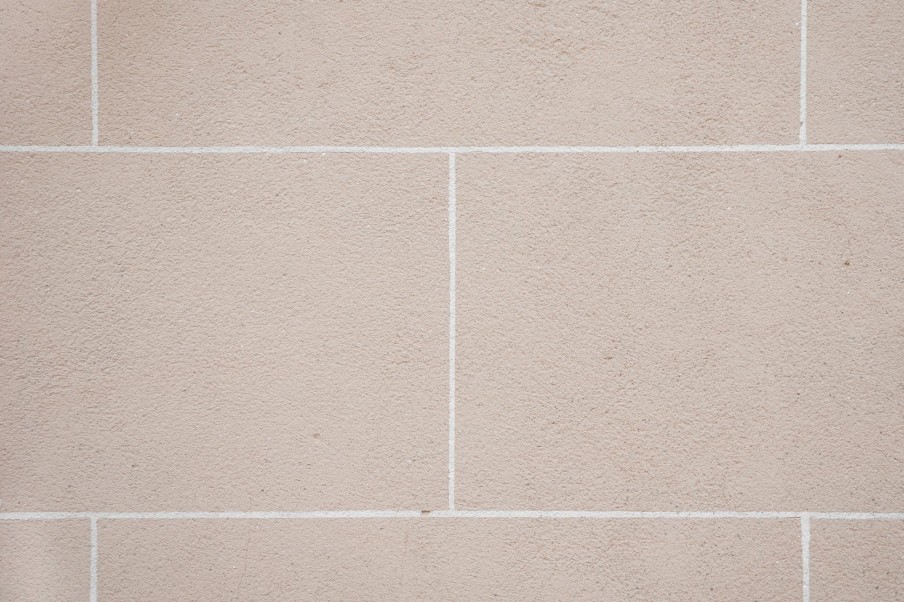
Tile layout decisions age just as quickly as colour trends. Ultra-thin grout lines, extreme offsets, or novelty layouts often signal a specific design era. Straight-lay or modestly staggered layouts are safer choices for long-term relevance.
Grout colour should support the tile, not compete with it. High-contrast grout draws attention to the grid and can feel dated faster, especially on walls with large-format tiles.
Step 6: Limit Statement Tiles to Contained Zones
If you want to use cement tiles or expressive wall tiles, restrict them to controlled areas such as niche walls, backsplashes, or feature panels. This approach preserves visual interest without locking the entire space into a trend-driven look. Contained zones are easier and cheaper to update when tastes change.
Step 7: Think Beyond Current Styling
Always evaluate wall tiles without current furniture, lighting, or accessories in mind. A tile that only works because of today’s styling choices is unlikely to age well. Timeless wall tiles remain flexible, supporting multiple interior refreshes without demanding replacement.
In the long run, durability, proportion, and restraint consistently
Conclusion
Choosing wall tiles that remain relevant over time is less about following trends and more about understanding material behaviour, proportion, and restraint. Whether you opt for consistent factory-made wall tiles or character-driven cement tiles, long-term success depends on disciplined colour choices, controlled patterns, and sensible installation decisions. Once tiles are selected for adaptability rather than impact alone, they continue to support evolving interiors without forcing costly replacements.
Contact Soon Bee Huat and let us help you shortlist materials based on ageing behaviour—not trends.