

Twenty years ago, most fencing conversations were fairly straightforward.
Where is the boundary? How high do you want it? Timber posts or concrete? Which panel?
That’s changed.
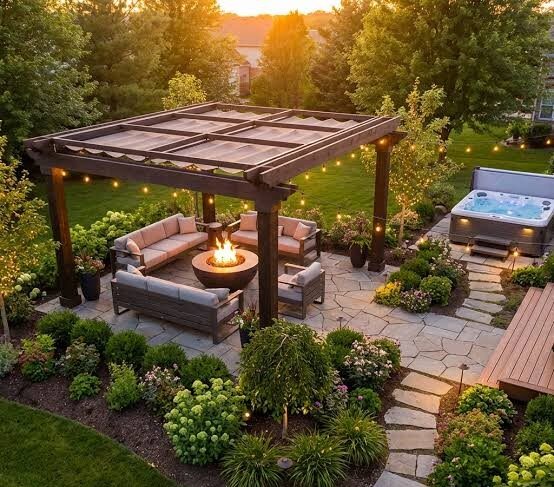
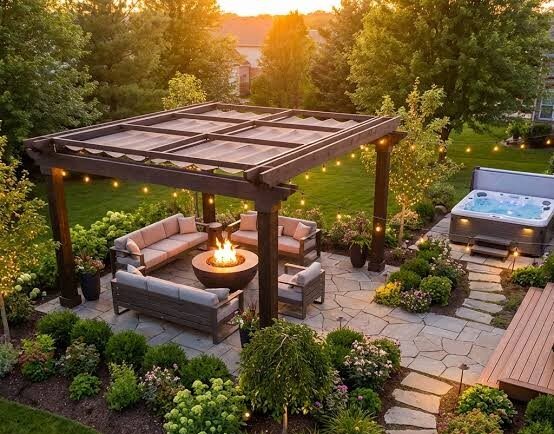
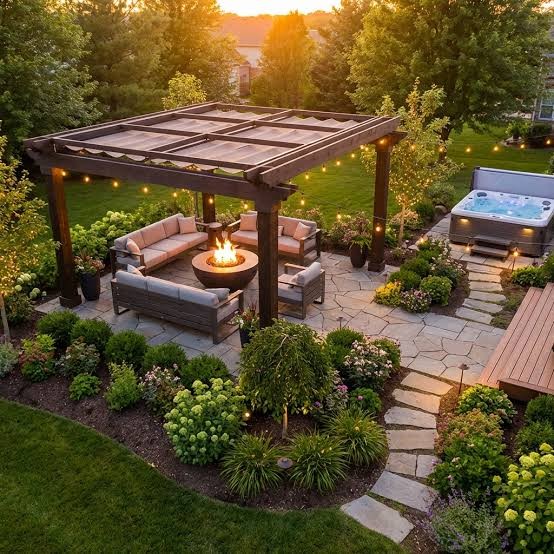
Gardens are now being used differently. Covered seating, outdoor kitchens, garden offices, pergolas and proper lighting mean people aren’t abandoning their gardens when September arrives. Even during colder months, plenty of households still use outdoor spaces regularly.
That has changed what people expect from fencing.
Homeowners searching for fencing near me increasingly talk about privacy, shelter and how the fence will look from a seating area. The boundary isn’t being treated as something at the bottom of the garden anymore.
It has become part of the room.
Privacy Matters More When You Actually Use the Garden
This is probably the biggest change I’ve noticed.
People used to accept being overlooked.
Now they don’t.
Smaller gardens and denser housing mean neighbours often sit much closer together than they did on older developments. Add a patio or covered seating area and suddenly you’re spending evenings six metres away from somebody else’s kitchen window.
A decent boundary makes an enormous difference.
That doesn’t automatically mean installing the tallest fence possible.
Sometimes positioning matters more.
A carefully placed section of screening around a seating area can create more useful privacy than raising an entire boundary. Planting can help too.
I’ve worked on gardens where customers originally wanted every fence increased in height. Once we actually stood where their table and chairs were going, it became obvious that only one section needed additional screening.
That’s a better result.
Less material. Less of a boxed-in feeling. Better light.
Garden Offices Have Changed Boundary Planning
Garden rooms aren’t going anywhere.
I’ve seen everything from small timber offices to buildings that are effectively second living rooms.
Their position often creates fencing problems nobody considered during the initial garden room installation.
A structure gets built close to an existing fence. Suddenly there’s barely enough room behind it to maintain the panels.
Then the fence needs replacing.
That’s when everyone starts swearing.
I’ve worked in gaps where you can barely get a drill between the building and the boundary. Removing old concrete posts becomes even more entertaining.
If you’re planning a garden room, think about the fence first.
If it’s already fifteen years old and showing movement, replacing it before the building goes in may save a considerable headache later.
Access matters.
Fencing contractors can’t replace a boundary properly if there’s physically no room to work.
Outdoor Lighting Exposes Bad Fencing
This sounds minor, but it isn’t.
Garden lighting makes fencing far more visible.
During the day, an old panel can disappear into the background. Put uplighters along the boundary and every warped board suddenly casts a shadow.
You see every uneven post.
Every repair.
Every different panel somebody fitted after a storm six years ago.
I’ve had customers decide on fence replacement after installing garden lighting because they suddenly noticed how tired the boundary looked.
It doesn’t mean every garden needs expensive decorative fencing.
Quite the opposite.
Simple fencing installed straight usually looks better under lighting than an elaborate design fitted badly.
Straight lines matter.
Shelter Is Becoming Part of the Conversation
Privacy and shelter often get confused.
They’re not the same thing.
A completely solid fence might block views, but it can also create turbulence when strong winds hit it.
This matters in exposed gardens.
Parts of Leeds and West Yorkshire can get surprisingly strong crosswinds, particularly on newer estates without mature trees or hedging.
People install covered seating because they want to use the garden for longer periods, then discover the surrounding fencing rattles every time the weather turns.
Sometimes a design allowing controlled airflow makes more sense.
Hit-and-miss fencing can work well in certain locations. Slatted designs can too, although spacing and structural support need careful thought.
I’d never choose a fence style without considering which direction the worst weather comes from.
The garden normally tells you.
Stand outside on a windy day and you’ll learn more in five minutes than you will from a fencing catalogue.
Autumn Has Become Part of Garden Season
Years ago, fencing work often followed a predictable pattern.
Spring arrived and everybody suddenly remembered they had a garden.
That’s less pronounced now.
People use outdoor spaces much later into the year. Patio heaters, covered pergolas and better outdoor furniture have extended the season.
That makes autumn fence condition more noticeable.
A loose panel rattling beside a seating area becomes irritating very quickly.
So does a gate that bangs whenever the wind picks up.
This is actually a sensible time to inspect boundaries.
Look for posts moving at ground level. Check rails for cracks. Make sure gates still close cleanly. Clear leaves and soil away from timber bases.
Small repairs before winter are usually far easier than emergency work after a storm.
Raised Beds Can Quietly Damage Fencing
This is one of my pet hates.
A new garden gets landscaped beautifully and somebody builds a raised bed directly against the fence.
It looks great initially.
Five years later, the bottom of the fencing is rotten.
Timber needs airflow.
If wet soil spends every winter pressed against gravel boards, posts or panels, you’re creating ideal conditions for decay.
Even pressure-treated timber has limits.
I’ve seen flowerbeds raised 300mm or 400mm against fencing without any separate retaining structure. The fence effectively becomes the retaining wall.
It wasn’t designed for that.
If you’re planning borders against a boundary, leave separation between soil and timber wherever possible.
Use proper edging.
Let the fence be a fence.
Outdoor Kitchens Need More Thought Than People Expect
Outdoor kitchens have moved from luxury gardens into fairly ordinary suburban ones.
They create an interesting fencing issue.
Heat, smoke, grease and moisture all need considering.
Putting a barbecue or cooking area directly against timber fencing is rarely a clever idea.
Apart from the obvious heat concerns, smoke gradually marks lighter fencing and cooking grease attracts dirt.
I’ve seen relatively new panels badly discoloured because a barbecue lived permanently against them.
Give cooking areas breathing space.
The same applies to pizza ovens and fire pits.
A good garden layout shouldn’t make the fencing work harder than necessary.
Modern Garden Design Favours Cleaner Boundaries
One noticeable trend is the move towards simpler boundary designs.
People still ask about decorative panels, but clean vertical or horizontal lines have become far more common.
That suits modern outdoor living because the fence becomes a backdrop.
Furniture, planting and lighting provide the detail.
Featheredge remains hard to beat for practical fencing. It isn’t particularly glamorous, but properly built featheredge is strong, repairable and suits most British gardens.
Composite fencing appeals to people wanting something more uniform with less maintenance.
The composite fencing cost is higher, though, and I’d never recommend choosing it purely because somebody doesn’t want to paint a fence.
Look at the whole garden.
Materials need to suit the property as well as the maintenance schedule.
Low Maintenance Doesn’t Mean No Maintenance
This misconception has grown alongside outdoor living.
People want gardens they can enjoy rather than work on.
Fair enough.
But nothing outdoors is maintenance-free.
Composite needs cleaning.
Timber needs inspecting.
Metal fixings can loosen.
Gates move.
Ground levels change.
Plants grow into places they shouldn’t.
Even concrete posts can shift if the footing or surrounding soil moves.
A ten-minute inspection a couple of times a year catches most problems early.
Walk the boundary and push each post gently.
Look underneath panels.
Check whether vegetation is trapping moisture.
Open the gate and see whether the latch still meets cleanly.
If something has changed, there’s usually a reason.
Good Fence Installation Starts With How the Garden Will Be Used
This is where the conversation has improved.
People are asking better questions.
Instead of simply choosing a panel from a photograph, they’re thinking about what happens around it.
Where will we sit?
Which direction gets the evening sun?
Where will the children play?
Will there be a dog?
Are we adding a garden room later?
Do we need privacy from upstairs windows?
Those questions should influence fence installation far more than whichever style happens to be fashionable that year.
There’s no point installing beautiful fencing if the design doesn’t solve the problems the household actually has.
Stronger Fencing Often Looks Less Exciting
After decades doing this work, I’ve become increasingly suspicious of anything sold primarily because it looks impressive in a photograph.
Fencing has a fairly brutal job.
It stands outside every day.
Rain.
Heat.
Frost.
Wind.
Wet soil.
Occasionally a football being kicked into it repeatedly by somebody’s children.
It needs to survive real life.
Good posts set to suitable depths, sensible drainage, proper fixings and decent materials matter more than decorative details.
A fence that stays straight for fifteen years is more impressive to me than one that photographs brilliantly for the first six months.
The Boundary Should Disappear Into the Garden
Some of the best fencing I’ve installed becomes almost unnoticed after a few years.
Plants mature around it.
Furniture sits naturally in front of it.
Lighting picks out certain sections.
The timber weathers.
The whole thing settles into the garden.
That’s usually a sign the design worked.
People are spending more time outdoors and expecting more from relatively small spaces. That puts greater pressure on boundaries to provide privacy, shelter, security and appearance all at once.
The answer isn’t necessarily a more expensive fence.
It’s a better planned one.
Before choosing panels, work out what the garden actually needs to do.
For homeowners comparing fencing services, that conversation should happen before materials are ordered, not after the posts are already in the ground.
Outdoor living has changed British gardens considerably.
Fencing has had to catch up.
The best boundaries now aren’t simply lines separating one property from another. They create the privacy and structure that allow the rest of the garden to work.
And if they’re installed properly, you barely notice they’re doing it.