





Key Highlights
- New homes often contain formaldehyde from multiple building materials.
- Furniture and décor can continue releasing formaldehyde long after installation.
- Good ventilation helps, but it may not remove all airborne pollutants.
- Professional treatment supports healthier indoor air after renovation.
Introduction
Moving into a newly built or renovated home is an exciting milestone, yet many homeowners are unaware that indoor air quality may not be as fresh as it appears. Various construction materials and household products release chemical compounds that remain in the air after the work is complete.
Among these compounds, formaldehyde is one of the most common concerns. Understanding where it comes from makes it easier to plan effective formaldehyde cleaning and determine whether a formaldehyde removal service is the right solution for creating a healthier living environment.
Building Materials and Engineered Wood Products
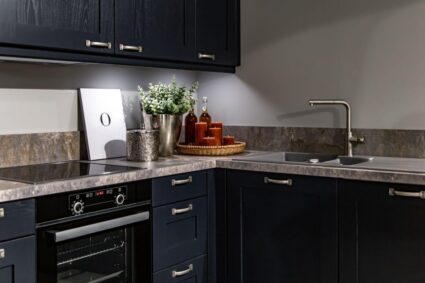
Many modern homes incorporate engineered wood because it is durable, affordable, and versatile. Cabinets, wardrobes, shelving, flooring, and wall panels often rely on adhesives that contain formaldehyde. Gradual off-gassing can continue for months after installation, especially when materials are new.
Paints, varnishes, sealants, and certain insulation products may also contribute to indoor formaldehyde levels. Fresh renovation work often introduces several sources at the same time, making the concentration more noticeable during the first few months of occupancy.
Regular ventilation helps reduce trapped pollutants, although it may not eliminate them completely. To address these lingering airborne residues, arranging formaldehyde cleaning after renovation helps improve indoor air quality and provides greater peace of mind before settling into your new space.
Furniture, Soft Furnishings, and Everyday Items
New furniture is another significant contributor to indoor formaldehyde. Selecting a reliable formaldehyde removal service allows homeowners to address airborne contaminants more effectively, helping to secure a safer environment while reducing prolonged exposure in frequently used living spaces.
Dining tables, sofas, wardrobes, mattresses, and office desks manufactured with composite wood can release small amounts into the surrounding air over time. Curtains, carpets, decorative panels, and certain fabric treatments may also contain chemicals used during production.
Bringing several brand-new furnishings into a home at once can increase indoor pollutant levels, particularly when ventilation is limited. A professional assessment provides a clearer understanding of the overall indoor environment, helping you protect your family’s health.
Environmental Factors That Increase Exposure
Temperature and humidity play an important role in the rate at which formaldehyde is released. Warm weather and enclosed rooms often encourage faster off-gassing, causing indoor concentrations to rise even when renovation work has already been completed.
Poor airflow further compounds the issue by allowing pollutants to remain trapped indoors. Closed windows, limited ventilation, and continuous air conditioning without fresh air circulation may slow the natural dispersal process.
Maintaining comfortable indoor conditions supports healthier air; however, additional measures are sometimes necessary. Combining proper ventilation with professional formaldehyde cleaning offers a more comprehensive approach to improving air quality throughout the home.
Why Professional Cleaning Makes a Difference
Many people assume that opening windows alone will resolve the problem. Fresh air certainly helps, but it cannot always address formaldehyde released continuously from multiple household materials.
Professional specialists use proven methods to improve indoor air quality while targeting pollutants that standard household cleaning cannot remove. A reputable formaldehyde removal service also evaluates the environment before recommending an appropriate treatment plan suited to the property’s condition.
Taking action early helps create a cleaner and more comfortable home for everyone. Investing in proper treatment after construction or renovation reduces unnecessary exposure and supports a healthier indoor environment for the months ahead.
Conclusion
A beautiful new home should also provide a healthy place to live. Building materials, furniture, decorative finishes, and environmental conditions can all contribute to indoor formaldehyde levels long after renovation has ended. Recognising these common sources allows homeowners to make informed decisions and maintain better indoor air quality through appropriate preventive measures and professional care when required.
Ready to enjoy cleaner indoor air? Contact Doctor Clean to learn how professional formaldehyde cleaning solutions can help create a fresher and healthier home.