



Why Securing Urgent Aircon Servicing in Singapore Stops Costly Living Room Drywall Damage

Key Highlights
- Leaking air conditioners cause gypsum board saturation, leading to immediate structural softening and eventual ceiling collapse.
- Trapped moisture behind drywall panels promotes rapid black mould colonies that compromise indoor air quality and respiratory health.
- Clogged drainage trays and pipes are the primary cause of internal overflows that seep into wall cavities.
- The cost of replacing a damaged drywall partition significantly exceeds the price of a standard maintenance visit.
Introduction
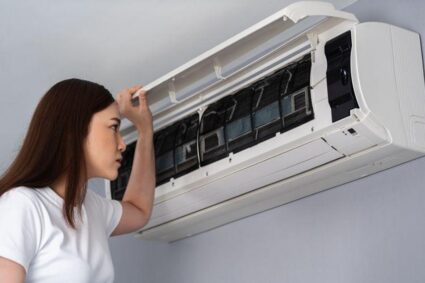
In the sweltering heat of Singapore, an air conditioner is not a luxury but a necessity for daily survival. Most homeowners focus on the cooling performance of their units, but few consider the hidden architectural risks associated with a malfunctioning system. When a unit begins to drip or exhibit signs of failure, the consequences extend far beyond a warm room. The interaction between persistent moisture and the common building materials used in Singaporean apartments, specifically drywall and gypsum ceilings, can lead to a financial nightmare. Understanding the necessity of urgent aircon servicing in Singapore is essential for anyone looking to protect their property investment from avoidable structural decay.
The Vulnerability of Drywall to Aircon Leaks
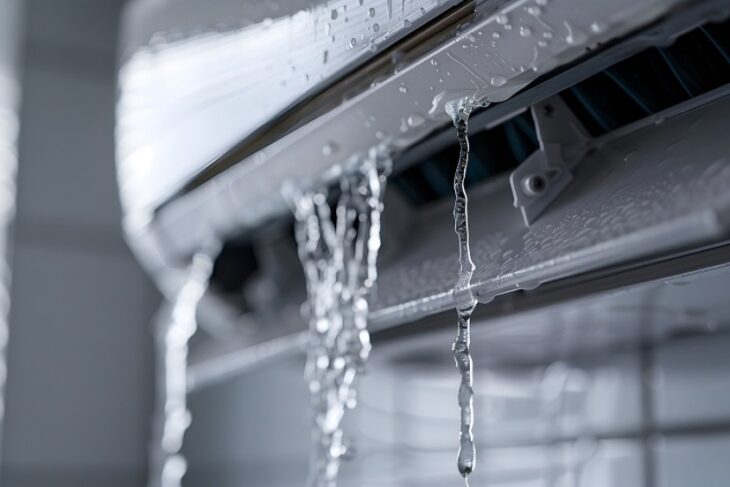
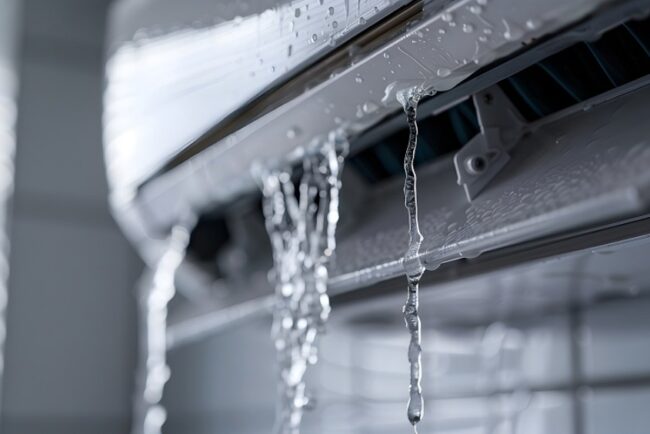
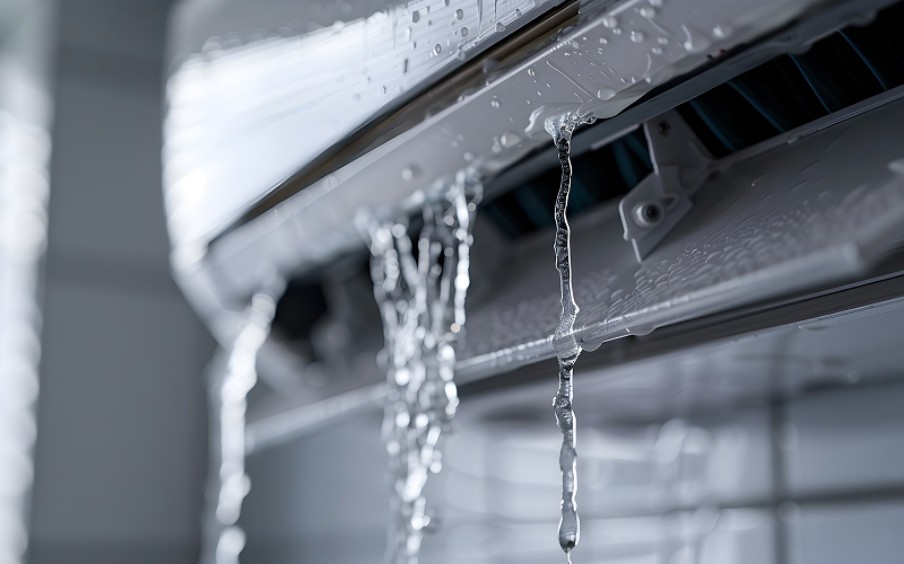
Most modern living rooms in Singapore utilise drywall partitions or false ceilings to hide wiring and create aesthetic lighting troughs. These materials are primarily composed of gypsum pressed between layers of paper. While efficient and versatile, drywall is exceptionally porous. When an air conditioning unit suffers from a clogged drainage pipe, the condensation has nowhere to go but back into the unit and eventually out through the casing. This water often tracks along the internal wall or drips directly onto the ceiling board below.
Once drywall becomes saturated, its structural integrity is permanently compromised. Unlike solid masonry, gypsum boards lose their strength when wet, becoming soft and heavy. If the leak occurs behind the wall, you may not notice the damage until the paint begins to bubble or a large yellow stain appears. By this stage, the internal core of the board has often turned into a paste-like consistency. In many cases, the weight of the waterlogged board combined with gravity leads to a sudden collapse of the ceiling, which can damage expensive furniture and electronics in your living room.
Preventing Mould and Secondary Structural Issues
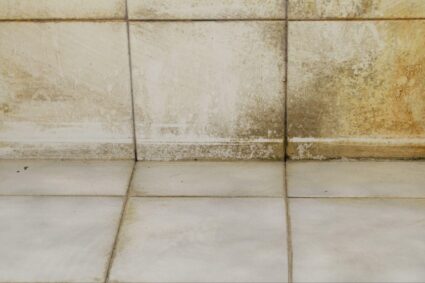
The high humidity levels in Singapore provide the perfect breeding ground for mould, and a leaking air conditioner acts as the final catalyst. When water seeps into the dark, unventilated cavities behind drywall, mould spores begin to multiply within forty-eight hours. This biological growth consumes the paper backing of the drywall, further weakening the structure. Furthermore, the mould eventually penetrates the front surface, manifesting as unsightly black spots that are notoriously difficult to remove without replacing the entire panel.
Beyond the aesthetic and structural concerns, this mould poses a significant health risk. As your air conditioner circulates air, it can pull these spores from the wall cavity into the living space. This often results in unexplained allergies, coughing, or asthma flare-ups for the residents. By investing in general air conditioning services, homeowners can ensure that drainage systems are clear and that the internal components are not producing excess moisture that contributes to these hidden hazards.
The Economic Argument for Prompt Action
From a financial perspective, the difference between a service call and a restoration project is staggering. A standard cleaning and check-up are relatively inexpensive and can be completed in under an hour. Conversely, repairing drywall involves multiple trades, including carpenters to replace the boards, plasterers to smooth the joints, and painters to match the existing decor. If the water damage has affected electrical wiring hidden in the walls, the costs escalate even further. Taking action at the first sign of a leak is the only way to avoid these compounding expenses.
Conclusion
Maintaining a comfortable home in the tropics requires a proactive approach to appliance care. A leaking air conditioner is more than a minor annoyance; it is a direct threat to the walls and ceilings that define your living environment. By ensuring your system receives regular attention, you can enjoy a cool home without the looming threat of structural failure or mould infestations. Protecting your drywall starts with a simple commitment to professional maintenance before a small drip becomes a major disaster.
If you notice any signs of moisture or reduced performance from your unit, do not wait for the damage to spread. Contact us at Heng Aircon today to schedule a professional inspection and ensure your home remains safe and dry.