
Hot-Rolled vs Cold-Worked Reinforcing Bar: Key Differences

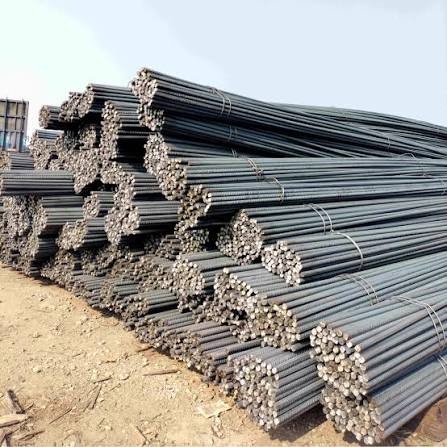
The main function of reinforcing bar in concrete construction is that it acts as an important part. It helps concrete structures to bear tension and enhances their overall strength. However, not all of the reinforcement bars are made in a similar way.
Manufacturing methods and physical properties of hot-rolled bar vs cold-worked bar material are different. Recognising those differences, builders, engineers, and contractors will select the correct product for a project.
What is Hot-Rolled Reinforcing Bar?
As the name implies, hot-rolled reinforcing bar is produced by heating steel and then putting it through rolling equipment. Forming hot steel is efficient for mass production of reinforcing products.
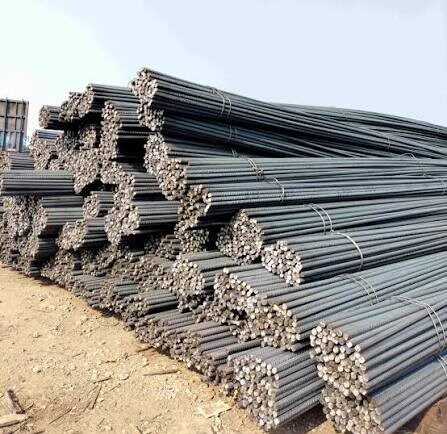
Most of the common forms deformed reinforcing bars are done for hot-rolling process.
The surface usually contains ribs or different deformations. These help the bond between the bar and surrounding concrete.
These deformed bar supplier offers the same dimensions of bars and its size also gets affected with different grades serve your needs.
What is Cold-Worked Reinforcing Bar?
Cold working occurs after the steel cools down. Through mechanical processes, the shape of a bar changes or some material properties are improved.
Cold working increases the steel hardness and strength. But it can also decrease ductility relative to some hot-rolled products.
The exact properties are determined by the production process, steel type, and relevant product standard.
The Main Manufacturing Difference
The key difference is at what stage the steel is formed.
Hot-rolled bar
The steel is hot-rolled, that is passed through a rolling machine with heat. It makes the material much easier to form.
Cold-worked bar
After cooling, steel is mechanically worked. Further working refines its physical and mechanical properties.
Such a difference can impact how the rebar performs during the fabrication and construction phase.
Strength and Ductility
Strength is generally considered an important factor for any structural application, but it is not the only one.
Tensile ductility is how far a material may stretch before breaking. Under varying loads, a reinforcing bar must even possess sufficient ductility to function as intended.
Cold rolling will yield a high yield strength but the ductility depends on your process and what product standards you want to achieve.
This means that when designing projects, the engineer should select reinforcement based on the design requirements of the project instead of simply selecting a bar because its strength rating is higher.
Choosing the Right Reinforcing Product
The grade, diameter, surface profile, and mechanical properties of the bar are all important, as is their compliance with relevant standards.
A good reinforcing bar supplier in Melbourne will be able to provide contractors with product details and documentation which supports that the reinforcement is fit for purpose.
Also, you need to order the correct quantities and bar dimensions, in advance of commencing work. This action can take time if reinforcement occurs incorrectly, potentially resulting in expensive changes.
Hot-Rolled vs Cold-Worked
The main points of difference can be summed up like this:
- Production: Hot-rolled steel is formed while hot, cold-worked steels are made after cooling.
- Strength: It is able to enhance the strength through mechanical working.
- Ductility: Cold working may increase, decrease, or leave unchanged the ductility depending on processing.
- Fabrication: Bending and fabrication requirements depend on the product.
- Selecting: What product is suitable can differ depending on requirements set out in the design as well as standards that can be applied.
Call the Supplier Before a Buy
Reinforcement should never be chosen on just price or looks. The product must satisfy all of the technical requirements of the project.
That is why it is important for contractors to have a knowledge of the available grades, sizes, and specifications and that good deformed bar supplier can help them stay informed about them.
A professional reinforcing bar supplier in Melbourne also eases sourcing and delivery of projects in Victoria.
Hot and cold-worked reinforcing bars are not interchangeable as a matter of course. Selection should, therefore, be based on engineering needs, product specs, and the environment/conditions of use.