





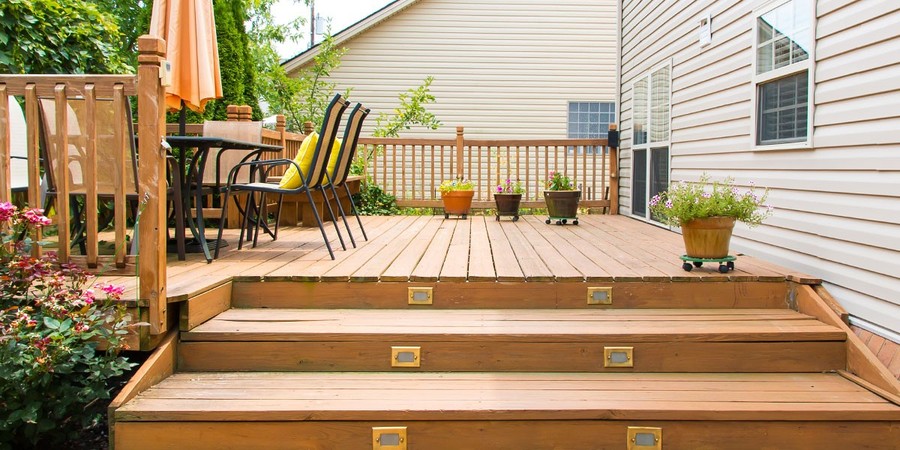
When planning to build a deck, one of the most important decisions you’ll make is selecting the right hardwood. Your choice not only affects the deck’s appearance but also its durability, maintenance requirements, and overall value. Here’s a comprehensive guide to help you choose the best hardwood for your deck, with tips on sourcing quality materials from a reputable lumber supplier.
- Consider the Climate and Location
Hardwood decks are exposed to the elements, so it’s crucial to consider your local climate. Some woods perform better in humid or rainy environments, while others excel in dry, sunny regions. For instance, Ipe and Cumaru are known for their resistance to moisture and insects, making them ideal for areas with high rainfall. On the other hand, woods like Teak and Mahogany are suitable for a variety of climates due to their natural oils and density.
- Assess Durability and Lifespan
Different hardwoods vary in strength and longevity. Ipe, also known as Brazilian Walnut, is one of the most durable options available, with a lifespan of up to 40 years. Other strong choices include Tigerwood and Garapa, which offer excellent resistance to wear and decay. When consulting with your lumber supplier, ask about the Janka hardness rating, which measures the wood’s resistance to dents and scratches.
- Evaluate Maintenance Needs
Some hardwoods require regular sealing and oiling to maintain their color and prevent weathering. Lighter woods may need more frequent upkeep, while denser woods like Ipe require less maintenance. Consider how much time and effort you’re willing to invest in maintaining your deck before making a decision.
- Factor in Appearance and Style
Hardwood decks come in a range of colors and grain patterns. Ipe offers a rich, dark brown hue, while Garapa provides a lighter, golden tone. Tigerwood features striking grain patterns that can create a unique look for your outdoor space. Choose a wood that complements your home’s exterior and personal style.
- Source from a Trusted Lumber Supplier
The quality of your hardwood is directly linked to the reliability of your lumber supplier. Look for suppliers who offer sustainably sourced wood and can provide certifications such as FSC (Forest Stewardship Council). A reputable supplier will guide you in selecting the right hardwood based on your requirements and budget. They can also advise on proper installation and maintenance practices to ensure your deck lasts for years.
- Set Your Budget
Hardwood prices vary based on species, quality, and availability. While premium woods like Ipe can be more expensive, their durability often justifies the investment. Discuss your budget with your lumber supplier to explore all available options without compromising on quality.
Conclusion
Choosing the right hardwood for your deck involves balancing aesthetics, durability, maintenance, and budget. By working with a knowledgeable lumber supplier, you can ensure your deck not only looks stunning but also stands the test of time. Take the time to research your options, and you’ll enjoy a beautiful and long-lasting outdoor space for years to come.