


The Differences Between Mass-Market and Italian Luxury Furniture


Homeowners often compare mass-market furnishings with luxury furniture when planning a living room upgrade. The gap between both categories extends beyond pricing, as each type reflects clear differences in craftsmanship, material quality, and long-term value. Knowing these distinctions helps buyers make informed decisions, especially when evaluating pieces of Italian living room furniture for long-term use.
Craftsmanship and Production Methods
Mass-market furniture focuses on fast production cycles and simplified assembly. Pieces are designed to be manufactured in large quantities, which results in predictable styles and standardised finishes. These items often rely on machines and modular components to keep pricing low and distribution efficient. While this approach makes furniture accessible, it limits the depth of detailing and customisation available to buyers.
However, Italian luxury furniture is built through a combination of traditional craftsmanship and specialised techniques that have evolved through decades of artisanal practice. Skilled makers focus on refining joints, stitching, and carving to create pieces that stand out in both structure and design. The detailing is deliberate rather than generic, with each item undergoing careful inspection before completion. This commitment to craft results in furniture that remains visually strong and structurally reliable after years of use.
Material Quality and Durability
Mass-market products are typically assembled using engineered wood, veneers, and synthetic fabrics to control manufacturing costs. These materials are functional for short-term use but can show wear quickly in homes with heavy activity. Surfaces may chip or fade, and frames may weaken over time due to repetitive pressure and moisture exposure. Repairability is also limited, as replacement parts may not match or may be unavailable after a few years.
Italian luxury furniture uses higher-grade materials selected for longevity. Solid wood, full-grain leather, stone elements, and premium fabrics are typical features that reinforce durability and stability. These materials age well and develop character instead of visual decline. Since the components are of higher quality, individual parts can be repaired, refinished, or reupholstered without compromising the overall structure. This approach makes luxury furniture suitable for long-term use in the living room, where daily wear is inevitable.
Design Identity and Aesthetic Value
Mass-market furniture tends to follow seasonal trends, resulting in pieces that look similar across different retailers. Designs are created for broad appeal, which means shapes, colours, and details stay within a safe range. While this provides convenience for quick furnishing, the outcome can feel standardised, especially when many households use the same styles.
Italian living room furniture focuses on design depth and creative identity. Italian brands often collaborate with designers who study proportions, textures, and shapes in detail. This approach produces pieces that are visually striking yet practical for modern living spaces. Instead of following trends blindly, Italian pieces often set trends by shaping what contemporary luxury looks like. The result is furniture with distinctive silhouettes, rich materials, and balanced colour palettes that elevate the character of a living room.
Comfort and Functional Performance
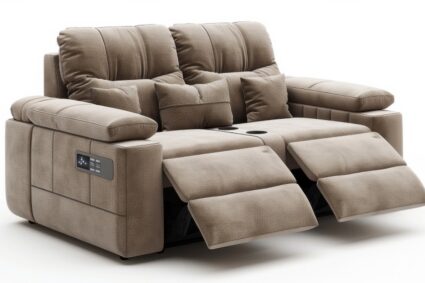
Mass-market furniture prioritises affordability, sometimes at the expense of ergonomic support. Cushions may flatten quickly, frames may creak under weight, and mechanisms in recliners or storage compartments may weaken over time. These limitations can create inconvenience for households seeking long-term comfort.
Luxury furniture, especially Italian-made sofas and armchairs, places equal weight on comfort and design. Cushion density, frame reinforcement, and fabric selection are tested to ensure the piece supports the body adequately. This level of attention gives the furniture long-lasting performance, even in high-use areas such as the living room.
Conclusion
The differences between mass-market and Italian luxury furniture become clearer when examining craftsmanship, material quality, and long-term usability. Mass-market pieces offer accessibility and quick solutions, while Italian living room furniture provides durability, design identity, and stronger overall performance. Luxury furniture becomes a practical investment rather than an aesthetic preference for homeowners seeking long-term value and visual impact.
Contact Colzani to elevate your living room with furniture that offers long-term value and distinctive design.