


How modern wall systems improve strength and surface durability

The construction industry has changed significantly over the last decade. Builders and homeowners no longer focus only on completing structures quickly; they now expect long-lasting strength, refined finishes, and lower maintenance costs from every project. This shift has increased the importance of advanced wall and flooring materials that improve both durability and visual appeal. Today, materials such as pop material are widely used because they help create smoother surfaces while supporting faster and cleaner interior finishing processes.
The growing demand for reliable infrastructure has also encouraged manufacturers and contractors to adopt better preparation methods and stronger bonding technologies. As a result, wall systems today are more engineered, efficient, and durable than ever before.
Evolution of interior finishing methods
Interior finishing was once considered the final cosmetic stage of construction. Walls were simply plastered, painted, and completed without much attention to long-term performance. However, modern architecture has transformed the role of finishing materials completely.
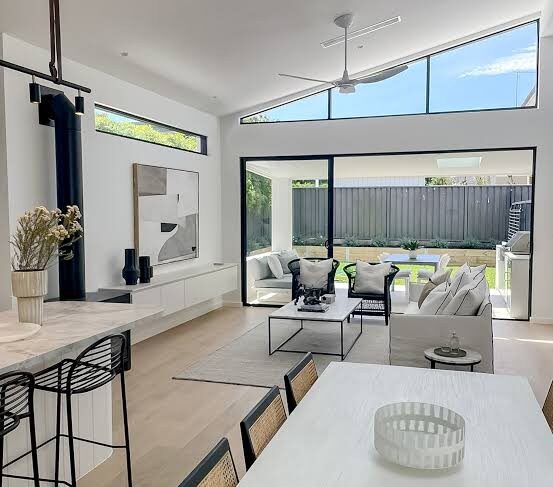
Today’s interiors demand smoother textures, sharper edges, and greater consistency across large surfaces. At the same time, buildings face increasing environmental pressure from humidity, heat, pollution, and structural movement. Traditional methods often struggle to meet these modern expectations because they were not developed for such demanding conditions.
The change is especially noticeable in urban developments where construction timelines are shorter but quality expectations are significantly higher.
Surface stability and moisture control
One of the most common reasons for wall deterioration is uncontrolled moisture movement. Water infiltration weakens wall surfaces gradually, causing paint peeling, patch formation, and structural damage over time. In many cases, these issues begin beneath the visible surface long before they become noticeable.
Modern wall systems are therefore designed with moisture management in mind. Proper surface preparation and high-quality finishing materials create a protective layer that limits water penetration while still allowing internal moisture to escape naturally.
This balance is extremely important because trapped moisture often leads to swelling and surface instability. Walls exposed to changing temperatures expand and contract continuously, which increases stress on weak surfaces. If the finishing layers cannot absorb this movement, cracks begin to develop.
Changing role of plaster technologies
Plastering techniques have evolved from simple leveling applications into highly technical construction processes. Modern plaster systems are now expected to improve work efficiency while delivering long-term durability and superior finishing quality.
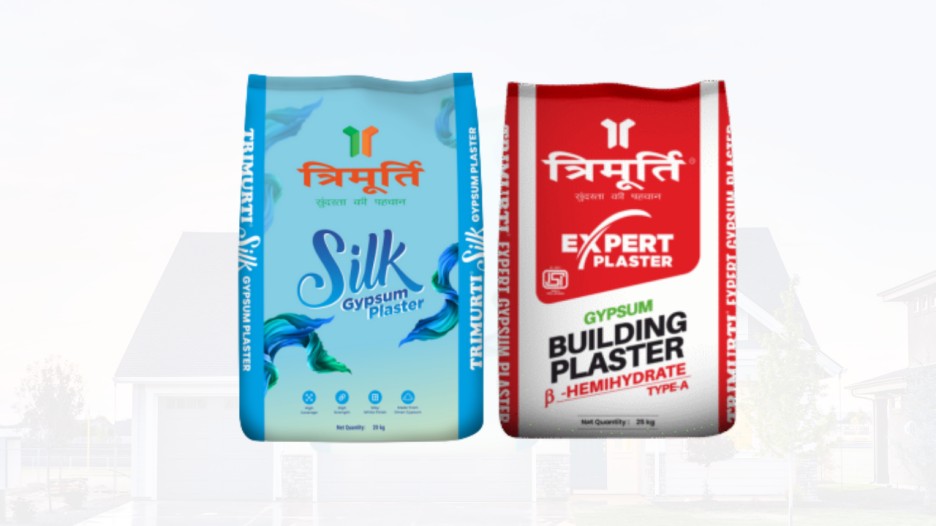
This transformation has encouraged the growth of specialized gypsum plaster manufacturers who focus on creating materials that are lightweight, fast-setting, and capable of producing smoother surfaces compared to conventional cement plaster.
Gypsum-based systems also reduce curing requirements and minimize construction waste, making them increasingly popular in large residential and commercial projects. Their controlled composition helps create uniform surfaces that are easier to paint and maintain over time. As construction practices continue to modernize, the role of engineered plaster systems will only become more important.
Tile installation and bonding reliability
Wall and floor durability depend not only on surface finishing but also on how effectively tiles are installed. Poor tile adhesion remains one of the most frequent causes of repair work in modern buildings.
Traditional bonding methods often fail because they cannot withstand constant pressure, moisture exposure, or temperature changes over long periods. Tiles may loosen gradually, creating hollow sounds, uneven surfaces, or visible cracks.
To solve this issue, modern construction increasingly relies on advanced adhesive systems that provide stronger and more flexible bonding performance. These materials distribute stress more evenly beneath tiles and improve resistance against movement-related damage. Products such as Trimurti tile adhesive are commonly used in projects where long-term tile stability is important. Proper adhesive systems improve bonding reliability while also supporting faster and cleaner installation processes.
Precision in modern construction practices
Modern construction is no longer based solely on labor-intensive execution. Precision and planning now define project quality. Every stage, from surface preparation to finishing application, requires coordination between materials, environmental conditions, and skilled workmanship.
Even high-quality materials can fail if they are applied incorrectly or under unsuitable conditions. Uneven mixing, rushed curing, and poor surface alignment often weaken the overall performance of the wall system.
Professional contractors therefore focus heavily on process control. They monitor surface levels carefully, maintain proper curing timelines, and ensure consistent application techniques across the project. This disciplined approach reduces structural defects and improves the lifespan of both walls and flooring systems. It also lowers maintenance costs in the long term by preventing avoidable failures before they occur.
The growing focus on sustainable materials
Sustainability has become an important consideration in modern construction. Builders and developers are now looking for materials that reduce environmental impact while maintaining high performance standards.
Advanced wall systems support this shift in several ways. Lightweight materials reduce transportation load, efficient plaster systems minimize water usage, and durable finishes reduce the need for repeated repairs and repainting.
Long-lasting construction materials also contribute to sustainability by extending the life cycle of buildings. Fewer repairs mean lower material consumption and reduced waste generation over time. These factors are encouraging the industry to adopt smarter and more efficient construction practices that prioritize both durability and environmental responsibility.
Conclusion
The future of construction depends on materials and systems that combine strength, efficiency, and long-term reliability. Modern wall technologies have transformed how builders approach surface finishing, moisture control, plastering, and tile installation. What was once considered simple finishing work has now become a highly engineered process that directly influences structural durability and visual quality.
From advanced plaster systems to high-performance tile adhesives, every layer within a building contributes to its lifespan and performance. Careful material selection and disciplined application practices are essential for creating structures that remain stable and visually appealing for years. The increasing use of reliable Trimurti tile adhesive solutions further reflects the industry’s focus on stronger bonding performance and long-lasting installation quality.
As the industry continues to evolve, companies like Trimurti Products are supporting this progress by offering solutions that align with modern construction needs and higher quality expectations.