



The Science of Safety Glass: What Architecture and Engineering Students Learn About Modern Railing Systems

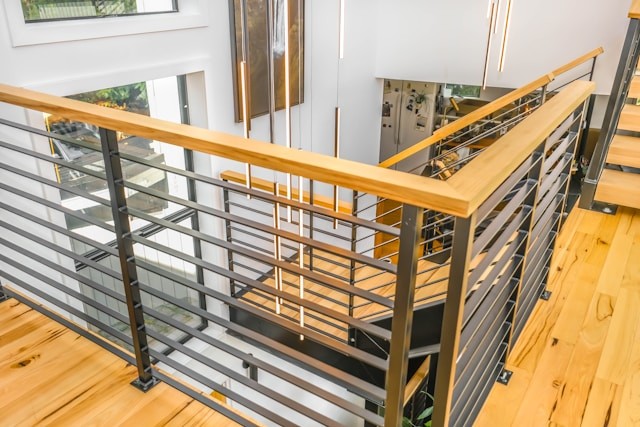
Walk into almost any new university building, library atrium or campus residence and you will notice something missing: the bars. Where older buildings used metal pickets and heavy rails to guard stairs, balconies and mezzanines, modern educational buildings increasingly use sheets of structural glass. It looks effortless — a transparent wall you can lean a textbook against — but behind that simplicity sits a surprising amount of materials science, structural engineering and building-code thinking. For architecture and engineering students, glass railing systems are one of the best real-world case studies in how a material’s weakness is engineered into a strength.
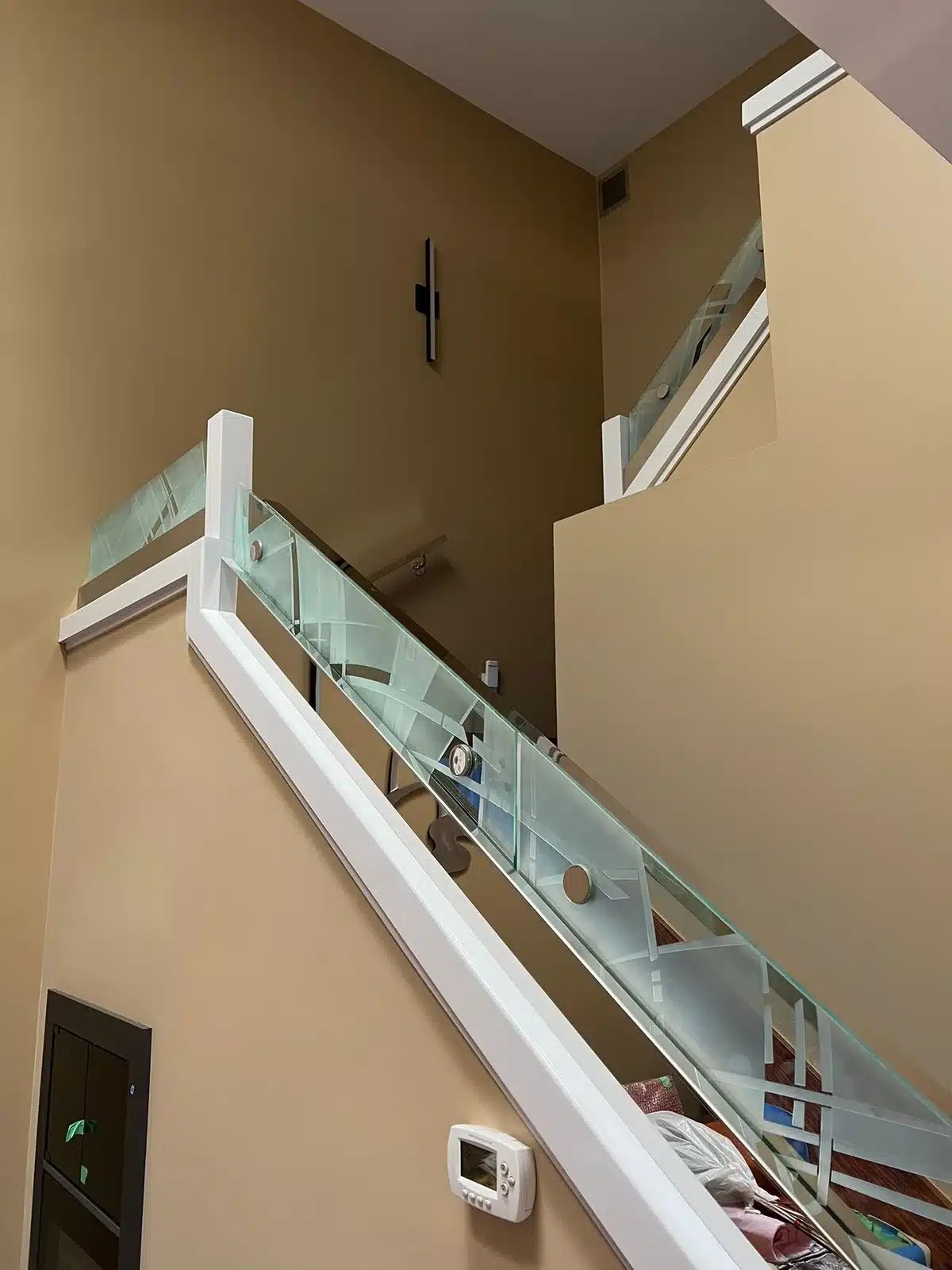
Why Glass Has to Behave Differently
Ordinary annealed glass is a poor guard material. It is strong in compression but brittle, and when it fails it breaks into long, sharp shards. A guardrail, by contrast, has one job: it must protect people who lean on it, bump into it, crowd against it during an evacuation — and if it ever does fail, it must fail safely.
That is why railing glass is never ordinary glass. Students encounter two treatments in their materials courses:
**Tempered (heat-strengthened and fully tempered) glass** is heated to over 600°C and then rapidly cooled on both surfaces. The rapid cooling locks the outer surfaces into compression and the core into tension. The result is glass that is roughly four to five times stronger than annealed glass of the same thickness — and, critically, when it breaks it crumbles into small, relatively blunt granules instead of blades.
**Laminated glass** bonds two or more panes with a plastic interlayer, usually PVB or a stiffer ionoplast. If a pane cracks, the fragments stay stuck to the interlayer, so the panel remains in place like a cracked windshield. This “post-breakage behaviour” is the property engineers care about most in a guard: a broken panel that stays in the frame still stops a person from falling; a panel that disappears does not.
Modern frameless glass railing designsoften combine both — tempered-laminated panels — so the guard is strong in service and forgiving in failure.
The Guard Is a System, Not a Sheet of Glass
One of the first lessons in structural glass design is that the glass rarely works alone. A railing panel transfers the loads from a person’s shoulder or a crowd surge into the building structure through its supports:
– **Base shoes** are continuous metal channels anchored to the slab edge that clamp the glass along its bottom edge.
– **Standoff fittings** are point fixings that bolt the panel to the face of a stair or slab.
– **Posts and top rails** in framed systems share loads between panels and give the hand something continuous to grip.
Each choice changes the engineering. A frameless panel fixed only at its base behaves like a cantilever, so panel thickness, embedment depth and anchor design all matter. This is why a glass guardrail building code review never looks at the glass alone: codes specify minimum guard heights, the horizontal loads a guard must resist, and limits on openings so a child cannot slip through. In Canada, guards for most occupancies — including schools and universities — are governed by the National Building Code and provincial codes such as the BC Building Code, with glass itself required to meet safety-glazing standards.
Why Campuses Became the Showcase
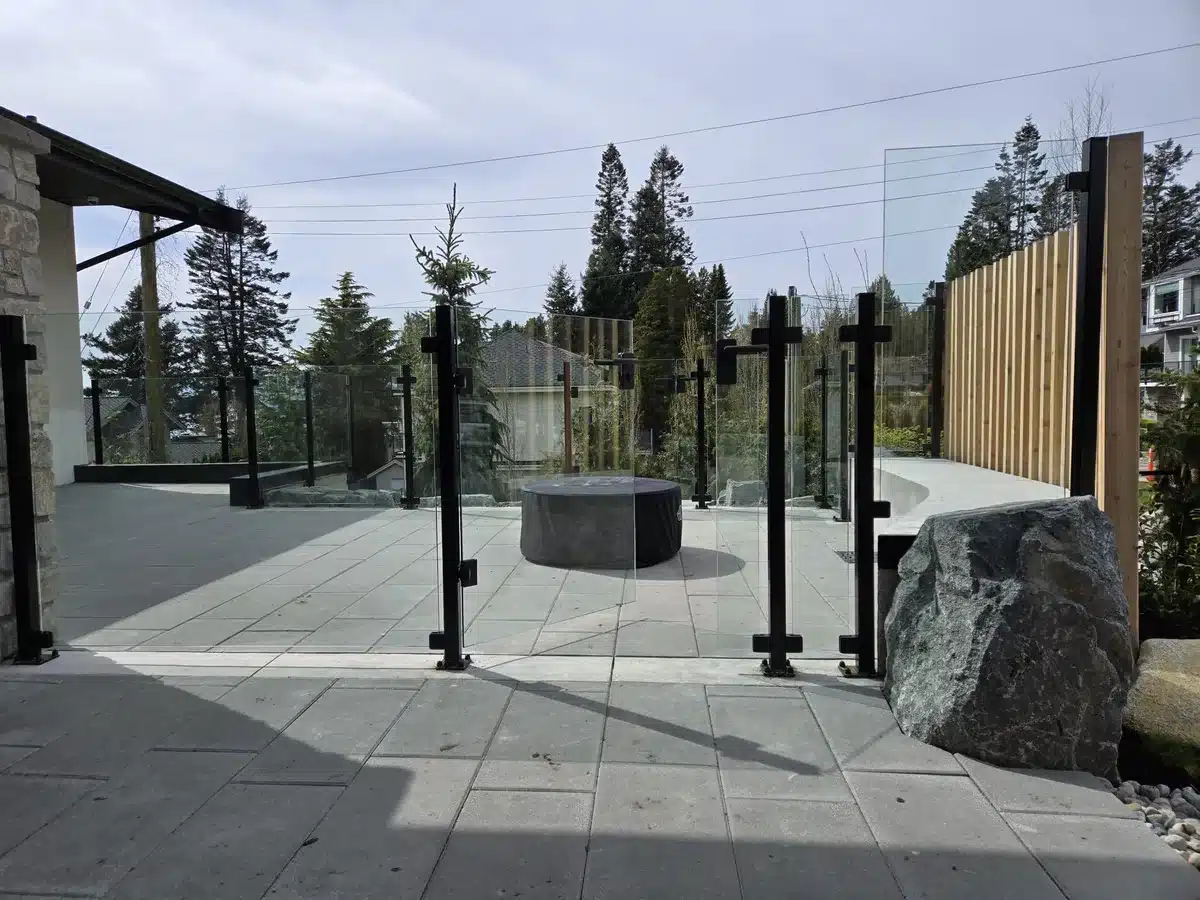
Educational buildings adopted glass guards early, and the reasons are practical as much as aesthetic. Sightlines matter for supervision: a teacher or security guard can see through a glass guard across an atrium in a way that is impossible with a solid parapet. Daylight matters for learning environments, and glass lets borrowed light reach interior corridors. Durability matters too — glass does not rust in a natatorium, rot in a rainy climate or need repainting every few years in a high-traffic stairwell.
The same logic has moved beyond campuses into homes and commercial buildings, where local fabricators now build glass railing systems in Vancouver for decks, balconies and interior stairs using the same tempered-laminated principles taught in the classroom.
How Engineers Know It Works: Testing and Standards
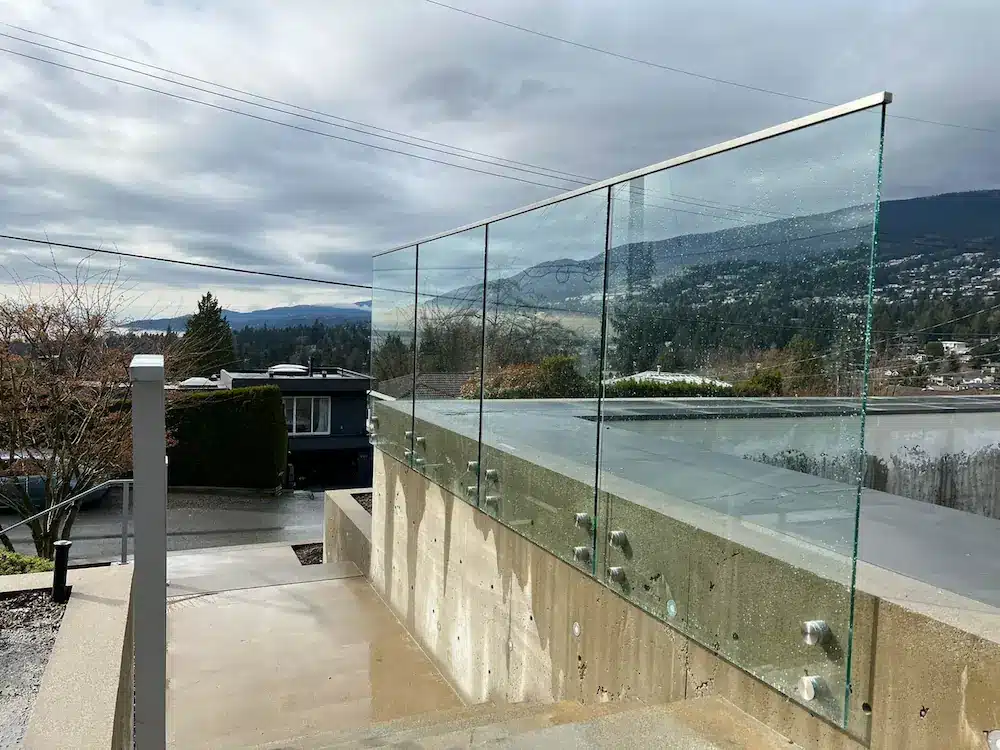
None of this rests on intuition. Safety glazing earns its name in the laboratory. Impact tests drop a weighted pendulum against the glass to simulate a person falling into it, classifying how the pane breaks and whether it stays in its frame. Load tests push guards horizontally with the forces codes require them to resist — the push of a crowd, the lean of a class of students at a mezzanine rail. Heat-soak testing bakes tempered panels to provoke the rare spontaneous breakage caused by nickel-sulfide inclusions, so a flawed pane fails in the oven rather than above an atrium.
In their own materials labs, students reproduce miniature versions of these ideas: breaking annealed, tempered and laminated samples and comparing the fragments. It is a memorable afternoon. The annealed sample leaves the bench dangerous; the tempered sample sweeps up like gravel; the laminated sample, cracked in a spiderweb, can still be lifted in one piece. That single comparison explains most specification decisions made on real projects, and why standards bodies write different rules for glass used overhead, glass used in doors and glass used in guards.
It also explains why reputable fabricators talk about systems and testing rather than thickness alone. A thicker pane in a weak frame is not a safer guard, and a tested system is worth more than an impressive-looking one. Engineering, as usual, is the discipline of knowing which questions the material has already answered.
What Students Should Take Into the Field
Three habits separate good guard design from decoration. First, design for the failure case, not just the load case — ask what the panel does the day it breaks. Second, respect the system: anchors, shoes and structure are part of the guard, and the best glass in the world cannot compensate for a weak slab edge. Third, check the code of the jurisdiction you are building in, because guard heights, load requirements and rules for glass in guards differ between provinces and between countries.
Glass railings reward that kind of thinking. They are a reminder that in good engineering, transparency is never just a style — it is a calculated decision, made one layer, one interlayer and one anchor at a time.