






Key Highlights
- A kitchen floor trap choke can restrict water flow and cause drainage issues.
- Grease, food waste, and debris are common causes of blockages.
- Early warning signs can help prevent more serious plumbing problems.
- Prompt action can reduce the risk of overflows and unpleasant odours.
Introduction
Kitchen drainage systems work hard every day. Water from sinks, cleaning activities, and food preparation areas passes through the drainage network before leaving the property. A smooth-flowing system is easy to take for granted until water begins draining slowly or unpleasant smells start appearing.
One issue that frequently affects residential kitchens is a kitchen floor trap choke. Although the term may sound technical, it simply refers to a blockage that develops within or around the floor trap. Understanding why the problem occurs and recognising the warning signs can help homeowners take action before the blockage becomes more severe. If the problem becomes too much to handle, an HDB plumber in Singapore will be able to help.
Understanding the Role of a Kitchen Floor Trap
Floor traps serve as critical connection points within residential drainage systems. Wastewater entering nearby fixtures passes through these mechanisms before continuing into the main waste network. The barrier also prevents foul sewer gases from travelling back inside apartments.
Normal conditions allow water to flow freely through the pipework without restriction. Problems begin when organic materials accumulate inside the plumbing channels, narrowing the passageway until drainage performance declines completely. Experiencing an unexpected kitchen floor trap choke usually indicates that extensive food residue, grease, and cleaning waste have restricted water movement significantly. Calling an HDB plumber in Singapore will be necessary once that happens.
Debris creates terrible odours as it decomposes over time. Slow drainage at this central junction eventually affects every single connected appliance across the entire room, meaning immediate clearance becomes essential for restoring proper hygiene.
Grease and Food Waste Are Common Causes
Cooking activities generate stubborn substances that gradually create massive blockages inside drainage infrastructure. Hot fats may flow easily down the plug hole while warm, but cooling temperatures cause grease to harden along internal pipe surfaces.
Hardened layers catch passing debris, accelerating the obstruction process over several months. Rice grains, vegetable scraps, coffee grounds, and thick sauces remain common contributors. Homeowners who unknowingly rinse small food particles down the sink increase the risk of developing a kitchen floor trap choke because drainage channels are simply not designed to process solid waste materials.
Altering daily disposal habits can reduce plumbing risks substantially. Installing simple mesh strainers helps maintain smoother drainage conditions throughout heavily utilised spaces, keeping lines clear of troublesome blockages permanently.
Warning Signs That a Blockage Is Developing
Kitchen blockages rarely happen overnight without presenting clear warning signs beforehand, always be prepared to immediately call an HDB plumber in Singapore once clear signs appear. Sluggish drainage remains the most frequent indicator that internal pipework is narrowing. Wastewater begins pooling around the floor grate or takes much longer to disappear after washing dishes.
Gurgling sounds also develop as trapped air bubbles struggle to escape past restricted plumbing sections. Homeowners suffering from a persistent kitchen floor trap choke will notice foul odours spreading across cooking areas as organic matter rots inside the pipe. Scrubbing the surrounding tiles provides temporary relief because the true source remains hidden deep within the mechanism.
Advanced obstructions eventually cause wastewater to back up completely, flooding kitchen floors. Recognising early symptoms prevents minor restrictions from turning into costly emergency plumbing disasters.
CHECK OUT: DIY Drain Cleaning: What Works and What Doesn’t
Why Prompt Action Matters
Leaving minor drainage issues unaddressed causes restrictions to worsen over time. Partially blocked pipes continue catching passing debris, making obstructions larger and harder to clear with every single use. Daily household chores become incredibly frustrating when water starts backing up constantly.
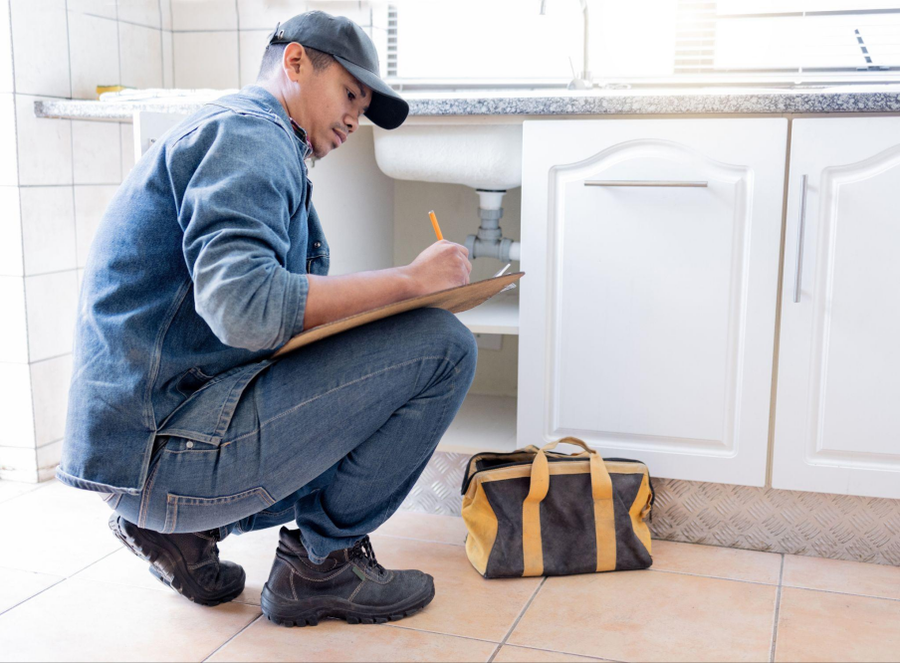
Neglecting an active HDB kitchen floor trap choke places immense pressure on connected joints, which increases the likelihood of messy overflow incidents. Professional plumbing inspections help determine the exact location of accumulated sludge, ensuring normal water flow gets restored safely.
Intervening early saves significant money compared to tackling major structural flooding later. Arranging regular preventive maintenance remains the smartest way to protect properties from hidden wastewater damage, ensuring long-term peace of mind for the family.
Conclusion
A kitchen floor trap choke develops when grease, food residue, and debris accumulate within the drainage system. Slow drainage, unpleasant smells, and water pooling are common warning signs that should not be ignored. Understanding how these blockages form can help homeowners take practical steps to maintain a healthier and more efficient kitchen drainage system.
Contact QB Plumbing to schedule a thorough kitchen inspection today and achieve complete peace of mind regarding structural property maintenance and waste line performance.