


Key Takeaways
- Water moves through concrete quietly, which makes early protection planning useful for avoiding hidden damage later.
- Waterproofing membranes sit beneath finishes and keep moisture away from structural areas during daily building use.
- Spaces with frequent water exposure benefit from built-in moisture control that works continuously in the background.
- Proper product matching and guidance help waterproofing systems perform reliably over long periods.
Buildings deal with water every single day, even when surfaces look neat and solid. Moisture finds its way through concrete, joints, and fine cracks without much effort, slowly creating issues you might not notice at first. You could walk past the same spot for months before signs appear, which explains why planning ahead for protection stays important.
Rain, humidity, and damp ground keep applying pressure with no real pause. Finishes may look fine on the surface, yet moisture can sit quietly underneath and cause long-term wear. Used as a protective layer, membrane waterproofing helps block that exposure before water reaches areas where repairs become disruptive and expensive.
How Waterproofing Membranes Work on Site
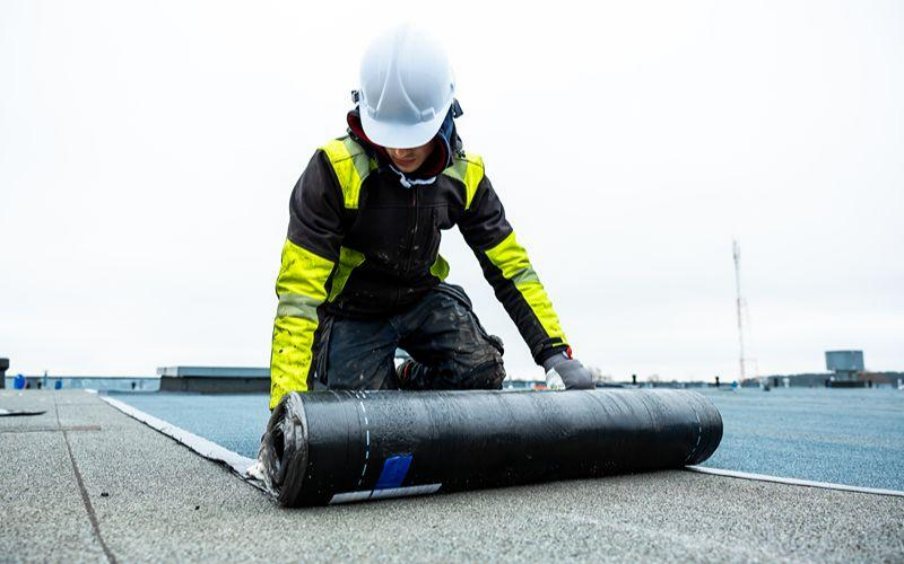
On site, membranes act like a flexible shield placed between water and the building structure. Liquid systems flow into corners and joints with ease, while sheet systems arrive with a fixed thickness ready to install. Temperature changes and minor movement still happen, yet flexibility allows membranes to bend without splitting.
Decisions around placement rely heavily on testing and standards. Water resistance, bonding strength, and flexibility all get measured under controlled conditions. Builders trust those results because consistent behaviour matters when moisture pressure remains present for long periods.
Areas Where Moisture Pressure Builds Up
Bathrooms, rooftops, balconies, and basements face regular contact with water. Poor drainage or standing water can keep surfaces damp longer than expected, raising the chance of leaks forming. Beneath tiles or finishes, membrane waterproofing works quietly to stop moisture before it reaches the structure.
Basement walls deal with extra pressure from surrounding soil and groundwater. Damp marks and staining may appear even when cracks seem minor. Correct placement helps keep interior spaces dry, while membrane waterproofing reduces moisture-related problems that affect finishes and comfort.
Why Material Compatibility Matters
Surface condition plays a big role in how well waterproofing performs over time. Concrete texture, existing coatings, and joint preparation all influence bonding during installation. Materials need to work together, or small gaps may form as expansion and contraction occur.
During planning, input from a building materials supplier helps contractors choose primers, membranes, and sealants that match correctly. Clear product data and application guidance reduce guesswork and lower the risk of issues later on.
How Waterproofing Fits Into Everyday Building Use
Daily building use puts quiet stress on floors, walls, and concealed structural areas. Foot traffic, cleaning routines, and regular water exposure all add up, especially in wet zones. You may not think about protection during normal use, yet steady moisture control helps surfaces behave as expected.
Across those daily conditions, membrane waterproofing plays a steady background role by keeping water from reaching areas meant to stay dry. Moisture stays managed without affecting how spaces look or function, which helps buildings handle routine use without constant attention.
Making Practical Product Choices
Product choice depends on more than price alone. Performance details, installation needs, and site conditions all influence suitability. Before work starts, builders usually consult a building materials supplier to confirm specifications and meet required standards.
Support during installation also plays a role on active sites. Clear instructions, technical help, and reliable supply keep work moving without delays. Consistent products allow installers to work confidently across different areas, even when jobs happen in stages.
Why Buildings Continue to Depend on Waterproofing
Water exposure remains unavoidable throughout a building’s lifespan. Structural areas benefit from added protection beneath finishes where damage often begins unseen. membrane waterproofing fits both new construction and refurbishment work without changing overall design intent.
Decision-makers usually prefer systems backed by testing and clear guidance. Working with a dependable building materials supplier helps align materials and methods smoothly. Contact ARDEX-QUICSEAL today to discuss waterproofing solutions that fit your project needs and help you plan protection with confidence from early stages onward.