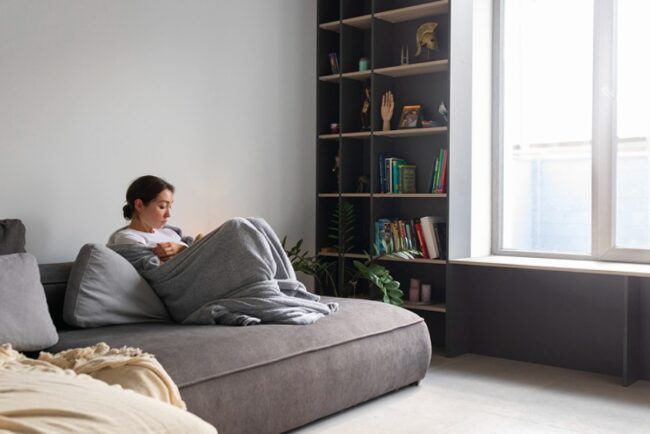





A living room sofa influences how comfortably people rest, work, and socialise at home. Yet daily routines sometimes reduce its quality without homeowners realising it. These small habits affect the structure, texture, and longevity of the furniture. Individuals shopping for a sofa in Malaysia often do so because their current seating no longer feels as supportive as it once did. The condition of each sofa cushion also plays a major role, since comfort depends on how well it maintains its shape. Understanding these common mistakes helps extend the lifespan of your current sofa or prepare you for a better upgrade.
1. Choosing A Sofa Based Only On Appearance
A visually appealing sofa may not always offer the support needed for long hours of sitting. Some households prioritise colour or style without testing firmness and internal structure. This results in quick discomfort once the furniture becomes part of daily use. A durable sofa in Malaysia should balance aesthetics with comfort to maintain long-term satisfaction.
2. Ignoring The Quality Of The Sofa Cushion
Cushions often determine how supportive the sofa feels. When the cushion filling is too soft, users sink unevenly. When it is too firm, tension builds in the back or legs. Some homeowners replace the sofa prematurely simply because the cushions deteriorate faster than expected. Selecting high-density or layered cushion materials helps maintain comfort and extend usability.
3. Placing The Sofa In Direct Sunlight
Continuous exposure to strong sunlight fades fabric colours and weakens fibres. Leather and faux leather surfaces may crack or stiffen. Even cushions lose resilience when exposed to heat for too long. Rearranging furniture or using curtains helps preserve the sofa’s appearance and structure.
4. Allowing Items To Accumulate On The Sofa
Many households treat the sofa as a temporary storage surface for clothes, gadgets, bags, or books. Over time, the pressure from these objects affects how the sofa cushion settles. This also creates uneven wear that changes comfort levels. Keeping surfaces clear helps the sofa maintain shape and longevity.
5. Skipping Routine Cleaning
Dust, crumbs, and oils settle into cushions over time, affecting both texture and hygiene. When deep cleaning is ignored, the sofa loses its fresh feel even if the frame remains strong. Regular maintenance keeps fabrics soft and prevents odours from settling. This improves the overall experience of using the sofa daily.
6. Choosing The Wrong Size For The Room
A sofa that is too small fails to support a household’s needs, while an oversized one disrupts movement around the space. In both cases, comfort decreases because the furniture does not match the room’s scale. Measuring the living room carefully and evaluating layout options ensures the new sofa in Malaysia fits securely and comfortably within the space.
7. Using Cushions Incorrectly For Support
Accent cushions add style but may not always provide meaningful support. Some individuals place them too low or too far from the backrest, creating awkward posture and discomfort. A well-designed sofa cushion supports the body without requiring constant readjustment. Pairing decorative pillows with structured support cushions offers better overall alignment.
Lifestyle Changes Affect Sofa Needs
Households evolve. Shifts in work routines, family size, or entertainment habits change how frequently the sofa is used. Reassessing your furniture periodically ensures that comfort remains a priority as living patterns develop.
Conclusion
Comfort depends on habits, placement, and material quality. By avoiding common mistakes that wear down the sofa or reduce support, households retain a more comfortable and inviting living environment. Paying close attention to cushion quality, sunlight exposure, and proper sizing encourages better long-term use.
Get in touch with Harvey Norman investigate cosy seating options and locate the ideal couch or replacement sofa cushion in Malaysia.