





Key Takeaways
- Smells can develop inside air conditioners even when cooling output remains steady and reliable.
- Moisture, dust, and poor drainage create odours long before performance changes appear.
- Regular upkeep helps control smells before they turn into comfort or air quality issues.
- Persistent or unusual smells may signal deeper faults that need professional attention.
Introduction
Cooling can feel steady while a strange smell hangs in the room, and that contrast leaves many homeowners puzzled. Comfort arrives as expected, yet the air carries a damp, sour, or dusty note that refuses to disappear. Focus stays on temperature, so scent problems slip past attention until the nose raises a complaint. Lingering odours can slowly wear on daily comfort, even though the unit continues to cool without issue. When smells appear without any drop in cooling, homeowners may start considering aircon repair in Singapore earlier than expected, even while the unit still feels functional.
Why Smells Show Up Before Performance Drops
Moisture Stays Behind After Cooling Cycles
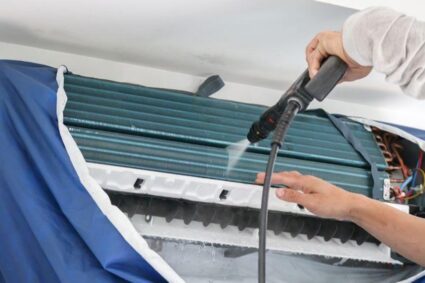
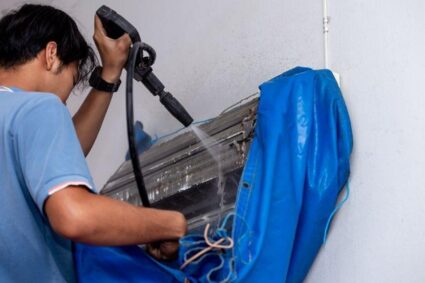
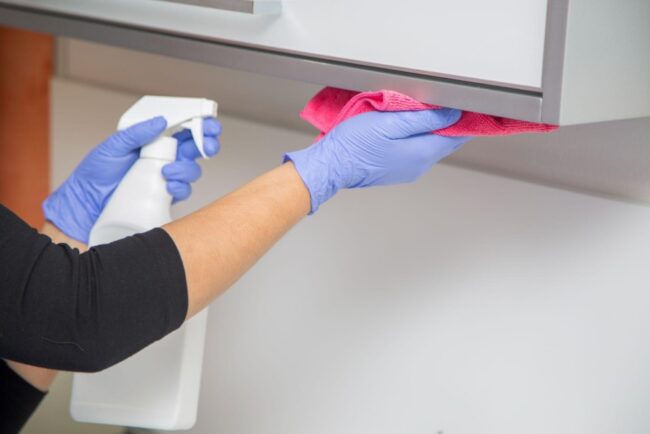
Moisture stays trapped inside units even after cooling cycles finish. Condensation remains on coils and inside drain trays once the unit switches off. Damp surfaces allow bacteria and mould to grow quietly while airflow and cooling stay stable. Moisture-related smells tend to reduce after an aircon cleaning service removes residue from coils, trays, and other areas where water collects.
Drainage Struggles Without Warning
Water moves through drain lines hidden from view, so small blockages stay unnoticed. Minor debris slows drainage without affecting cooling output. Standing water then collects inside the unit and begins releasing unpleasant smells long before performance changes. Drain-related smells usually fade once an aircon cleaning service clears blockages and restores normal water flow.
Dust Gathers Where Filters Cannot Reach
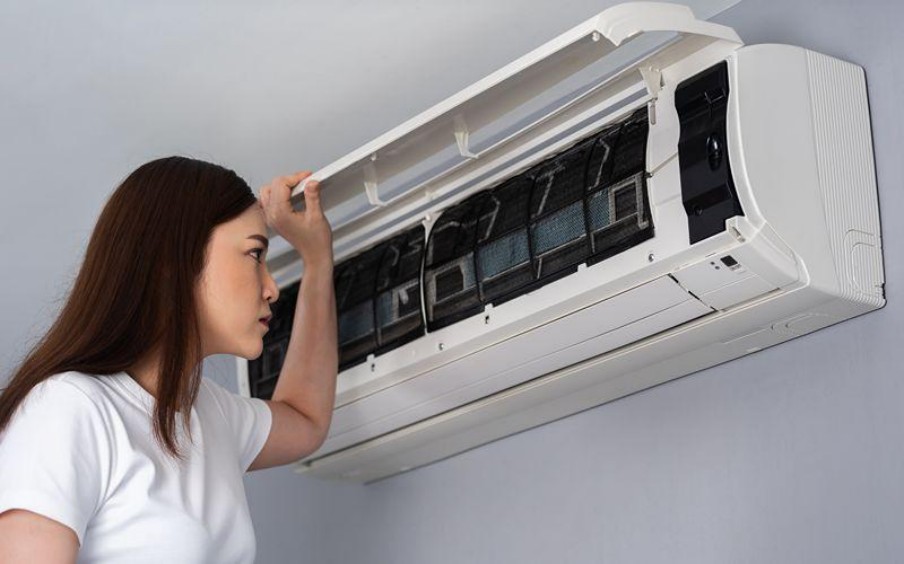
Air passing through filters still carries fine dust into deeper sections of the system. Particles settle on internal surfaces and remain unseen. Each cooling cycle disturbs that layer and pushes stale air back into the room. When dust builds up deep inside the unit, aircon repair in Singapore may be considered alongside cleaning, especially if smells continue despite steady cooling. Dust-related smells reduce once deeper internal areas receive proper attention beyond surface wiping.
How Everyday Habits Influence Aircon Smells
Nightly Use Adds Silent Pressure
Running the unit every night keeps internal components cool and damp for extended periods. Limited drying time allows residue and moisture to linger inside the system. Odours develop even though cooling strength remains unchanged. In homes with overnight usage, planning ahead for an aircon cleaning service helps manage build-up linked to daily operation.
Closed Rooms Hold Scents Longer
Rooms kept sealed throughout the day limit fresh air exchange. Smells circulating from the cooling system stay trapped indoors and become easier to notice. Even mild odours feel stronger without airflow to dilute them. Internal freshness improves when upkeep keeps components clean and airflow unobstructed.
Daily Activities Feed Hidden Build-Up
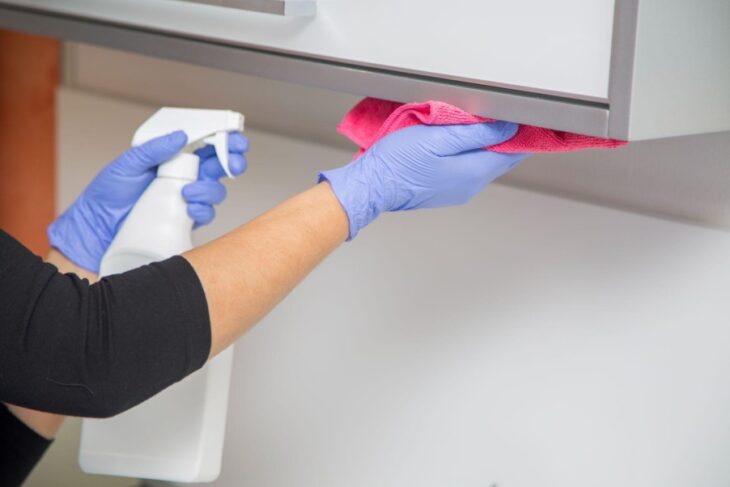
Cooking fumes, pet hair, skin flakes, and household dust drift towards air returns during normal activity. Cooling systems draw those particles inside and hold them over time. Smells appear while cooling performance feels unchanged. Smells caused by everyday household activity usually reduce after an aircon cleaning service removes the build-up pulled into the system. Questions around possible mechanical faults also surface at this stage, even when no clear breakdown signs appear.
When Smells Hint at Deeper Issues
Electrical Components Heat Up Quietly
A faint burnt or metallic smell points to electrical stress inside the unit. Wiring, connectors, or control boards can warm up during operation while cooling continues without interruption. Fans still spin and air still flows, which makes the issue easy to overlook. Continued exposure to heat may weaken insulation over time. Early inspection helps reduce safety risks and keeps electrical parts operating safely, which explains why aircon repair in Singapore becomes relevant when electrical smells appear.
Mechanical Wear Releases Chemical Scents
Oily or chemical smells suggest wear inside moving components or seals. Friction and ageing materials release odours while cooling output remains steady during early stages. Small leaks or worn sections can worsen quietly if ignored. Using an aircon cleaning service to rule out surface residue helps identify whether the smell comes from wear or internal contamination before faults worsen.
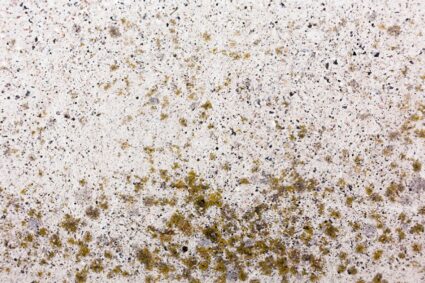
Mould Growth Spreads Beyond Surfaces
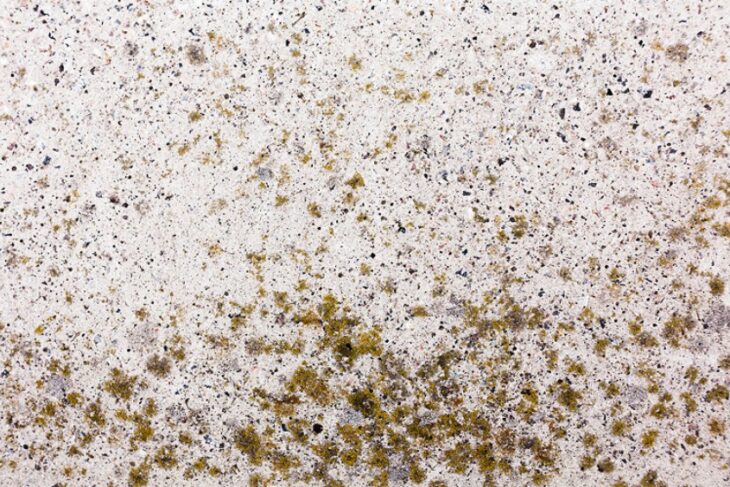
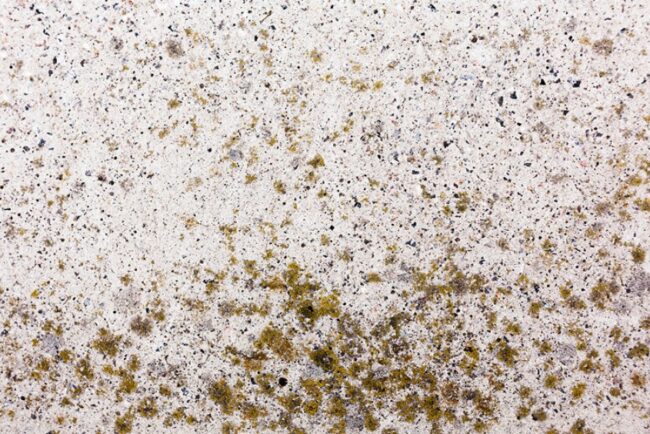
Sharp, earthy smells usually signal mould developing inside enclosed sections of the system. Moisture and darkness create conditions where spores spread through airflow. Air continues to cool, so performance concerns remain low while air quality drops. Lingering exposure can affect indoor comfort. In advanced cases, deeper contamination requires professional intervention, making aircon repair in Singapore a necessary next step.
Conclusion
Lingering smells rarely fade on their own, even when cooling feels reliable. Early attention keeps comfort predictable and avoids inconvenient issues later. Regular upkeep keeps airflow clean, reduces odour build-up, and protects system condition during daily use.
Contact Newway today to arrange a professional assessment that covers cleaning needs and helps maintain a comfortable indoor environment.