





Key Takeaways
- Smart ceiling fans deliver the most value in rooms with predictable usage patterns and extended occupancy.
- Spaces with irregular use or minimal dwell time see limited benefit from advanced features.
- A standard ceiling fan can outperform smart ceiling fans in low-engagement or transient areas.
- The decision should be driven by room function, not novelty or technology appeal.
Introduction
Smart ceiling fans are increasingly positioned as a lifestyle upgrade rather than a basic cooling appliance. Due to their app control, scheduling, and automation features, they promise greater convenience and efficiency compared to a standard ceiling fan. However, not every room benefits equally from these capabilities. In practice, the effectiveness of smart ceiling fans depends heavily on how a space is used, how often it is occupied, and whether automation genuinely improves daily comfort.
Learn which rooms benefit most from smart ceiling fans—and which do not—based on functional and practical considerations.
Rooms That Benefit Most From Smart Ceiling Fans
Bedrooms With Consistent Sleep Routines
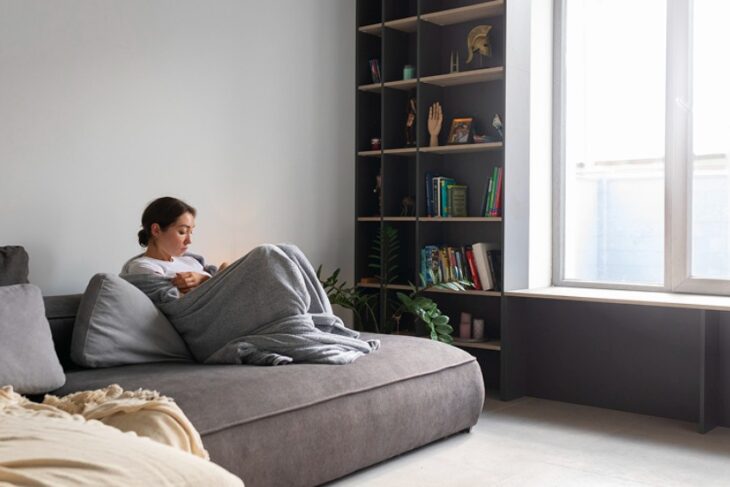
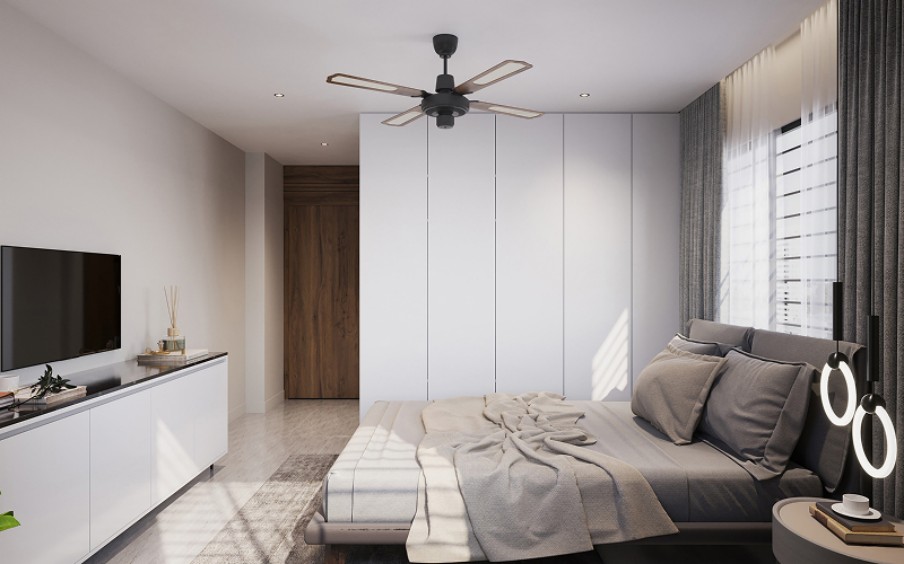
Bedrooms are one of the strongest use cases for smart ceiling fans. Predictable sleep and wake schedules allow automation features to work as intended. Timers, temperature-based activation, and gradual speed adjustments reduce the need for manual intervention during the night. Compared to a standard ceiling fan, smart ceiling fans provide finer control that aligns well with sleep comfort and energy management.
Living Rooms Used Daily
Living rooms with regular occupancy benefit from smart ceiling fans due to variable usage throughout the day. Automation can adjust airflow based on time of day or indoor temperature, improving comfort during peak hours without continuous manual adjustment. Once paired with air-conditioning, smart ceiling fans can also help distribute cooled air more evenly, reducing overall energy consumption.
Home Offices and Study Rooms
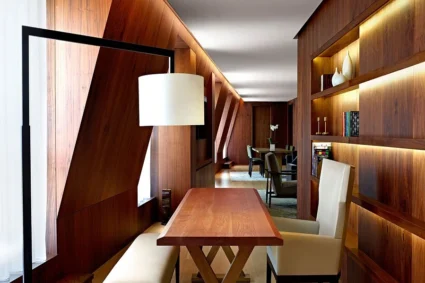
Smart ceiling fans provide functional value for home offices used on a fixed schedule. Scheduled operation prevents unnecessary runtime, while app-based control allows quick adjustments without interrupting work. In contrast, a traditional ceiling fan requires frequent manual changes, which can be disruptive during focused tasks.
Multi-Use Family Spaces
Open-plan areas that serve multiple purposes, such as dining, lounging, and light work, benefit from smart ceiling fans because airflow needs change throughout the day. Advanced features allow users to adapt settings quickly without relying on physical remotes or wall controls, which may not always be conveniently located.
Rooms That Do Not Benefit Much From Smart Ceiling Fans
Guest Rooms With Infrequent Use
Guest rooms are typically occupied irregularly and for short durations. Modern features such as scheduling and automation are rarely utilised in these spaces, making a standard ceiling fan a more cost-effective and practical choice. Simplicity, in most cases, outweighs the benefits of connectivity.
Bathrooms and Utility Areas
Bathrooms and utility spaces are not ideal environments for smart ceiling fans. Short usage times and high humidity levels reduce the relevance and longevity of modern components. Exhaust systems and ventilation fans are usually more appropriate for these areas.
Kitchens With High Heat and Grease Exposure
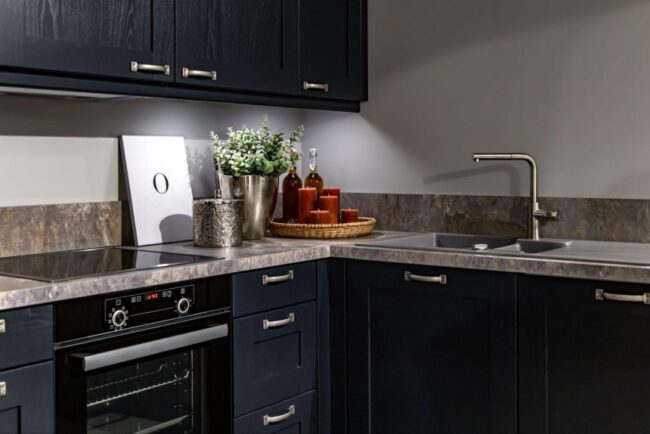
While airflow is significant in kitchens, smart ceiling fans offer limited advantage over a conventional ceiling fan. Heat, grease, and frequent temperature fluctuations can interfere with sensors and increase maintenance requirements. Manual control is often sufficient given the intermittent nature of kitchen use.
Corridors and Transitional Spaces
Hallways, entryways, and other transitional areas do not justify the added cost of smart ceiling fans. These spaces are occupied briefly, and airflow adjustments are rarely needed. A basic ceiling fan—or no fan at all—is typically adequate.
Conclusion
Smart ceiling fans are most effective in rooms where usage patterns are stable and comfort adjustments are frequent. Bedrooms, living rooms, and home offices gain measurable benefits from automation and remote control. In contrast, spaces with limited or irregular use see little return on investment. Choosing between a ceiling fan and smart ceiling fans should be based on how a room functions, not on technology appeal alone.
Contact Light Avenue to explore ceiling fan options that match how your home actually functions.