Key Takeaways
- A moving-out cleaning service in Singapore must adapt to different handover standards, access rules, and inspection practices across HDB flats, condominiums, and landed homes.
- Scope and pricing change based on unit size, furnishing level, and building management requirements rather than just floor area.
- Tenants who align cleaning scope with property-type expectations reduce the risk of failed inspections and post-handover disputes.
Introduction
Tenants often assume end-of-tenancy cleaning is the same regardless of property type. In practice, the scope, access constraints, inspection criteria, and operational complexity change depending on whether the unit is an HDB flat, a condominium, or a landed home. Engaging professional
cleaning services in Singapore for a proper handover requires understanding how these differences affect scheduling, manpower, equipment access, and the depth of work required. This approach matters because handover failures usually come from mismatched expectations rather than poor cleaning quality.
HDB Flats
HDB flats operate within dense residential blocks with strict access control, lift booking systems, and time windows for service providers. Cleaning teams often need to work within shorter slots, which compresses workflow and limits how much equipment can be brought in at one time. This situation affects how deep cleaning can be staged, especially for kitchens with grease build-up, bathrooms with scale deposits, and service yards with accumulated debris.
Inspection expectations for HDB units tend to be functional and standardised. Property officers or managing agents usually focus on visible cleanliness, odour removal, and basic hygiene across high-touch areas such as kitchen cabinets, toilets, and flooring edges. While the scope may look straightforward, the challenge lies in working around limited service lifts, narrow corridors, and noise restrictions. A moving-out cleaning service handling HDB flats must plan logistics tightly to avoid delays, incomplete work, or access-related rescheduling that can push handover past tenancy deadlines.
Condominiums
Condominium units introduce additional layers of operational control. Cleaning teams must comply with management office registration, work permits, security deposits, and restricted service lift timings. These protocols affect manpower deployment and job sequencing, especially for larger units where multiple cleaners are needed simultaneously. Failure to coordinate with building management can result in partial completion or forced stoppage mid-job.
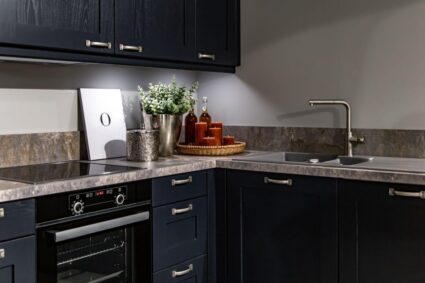
Finish standards in condominiums are typically higher due to premium fittings and stricter landlord inspections. Glass panels, stone countertops, stainless steel fixtures, and built-in wardrobes require surface-appropriate cleaning methods. Improper chemicals or rushed handling can cause marks that lead to deductions during handover. Professional cleaning services operating in condominiums often allocate more time for finer details, especially for balcony glass, bathroom fixtures, and kitchen grease traps, because these areas are commonly flagged during final inspections.
Landed Homes
Landed homes introduce scale and variability. The cleaning scope extends beyond interior rooms to include outdoor areas such as patios, driveways, storage rooms, and sometimes pools or garden spaces. Access is less restricted, but the total workload increases due to multiple levels, larger floor areas, and additional surfaces such as exterior windows and stair railings. This instance changes manpower planning, equipment needs, and time allocation.
Condition risks are also higher in landed homes because wear patterns vary widely. Kitchens may have heavier grease build-up from frequent cooking, outdoor areas may accumulate mould or debris, and storage rooms often hold long-neglected dust and residue. A
moving-out cleaning service in Singapore handling landed properties must factor in contingency time for unexpected problem zones, otherwise the job overruns the planned schedule and disrupts handover timing. Landlords of landed homes also tend to conduct more detailed walkthroughs, increasing the likelihood of spot rework if minor areas are missed.
How Property Type Changes Scope, Cost, and Risk
The property type directly affects scope definition, pricing structure, and handover risk. HDB flats require tight logistical planning to meet access constraints, condominiums require compliance with management protocols and higher finish standards, and landed homes require broader coverage across indoor and outdoor spaces. Tenants who treat these property types as interchangeable often under-scope the job, leading to inspection failures and last-minute rebooking.
Professional cleaning services typically adjust manpower, equipment load, and time allocation based on these differences rather than quoting purely by square footage. Knowing these operational shifts allows tenants to align cleaning scope with inspection expectations, reducing disputes, deposit deductions, and delays at the point of key handover.
Conclusion
Moving-out cleaning service in Singapore is not a one-size-fits-all task. The operational constraints, finish standards, and inspection risks change across HDB flats, condominiums, and landed homes. Tenants who match the cleaning scope to the property type reduce handover friction and avoid repeat cleaning costs at the end of the tenancy.
Contact GJourney Services to work with a professional cleaning team that plans manpower, access clearance, and inspection-grade detailing properly, so you hand over once and move on without callbacks.