Key Takeaways
- Tiny moving white specks inside cupboards or shelves may signal mould mites feeding on hidden mould spores nearby.
- Mould mites feed on mould spores, so visible movement usually points toward unseen mould growth in storage areas.
- Cleaning surfaces and removing mould sources reduces food supply that attracts mould mites indoors.
- Professional inspection helps identify hidden mould sources and estimate mould removal costs for affected spaces.
Introduction
Noticed tiny white specks crawling across shelves, storage boxes, or walls? Mould mites could be the culprits. Microscopic mould mites feed on mould spores and thrive in indoor environments where organic particles gather. Curiosity about
how to get rid of mould mites usually begins once tiny specks start moving, turning a small mystery into a household puzzle.
Mould mites do not bite or damage structures, yet their presence signals something else happening indoors. A sudden appearance usually indicates mould spores exist somewhere nearby, even if patches remain out of sight. Understanding what mould mites are and why they appear can help you tackle the root cause before those tiny wanderers multiply.
What Exactly Are Mould Mites?
Tiny Creatures That Feed on Mould
Think of mould mites as microscopic cleaners that dine on mould spores. Bodies measure less than a millimetre, which explains why pale dots seem to move across surfaces. Bookshelves, cupboards, cardboard boxes, and pantry areas provide suitable habitats when mould spores settle there.
Spotting them triggers a common question: how to get rid of mould mites once they start roaming around storage areas. Presence rarely signals a major infestation inside a home, yet mould growth nearby becomes likely. Locating the mould source becomes the real task.
Why They Suddenly Appear
Wondering why mould mites show up out of nowhere? Populations grow quickly once mould spores become available as food. Areas with organic materials like paper, wood, or stored food create ideal feeding grounds.
Small mould patches can attract thousands of mites without drawing attention. Addressing the mould source matters because cleaning the mites alone rarely solves the issue. Some households begin checking professional services once they realise the price of mould removal in Singapore might reflect the scope of hidden mould growth.
Where Mould Mites Tend to Appear Indoors
Storage Spaces and Household Surfaces
Storage areas offer a buffet for mould mites. Paper boxes, fabric storage bins, and wooden shelves collect organic particles over time. Mould spores that settle in these places become food sources for mites.
Observing movement along cupboard edges or book spines usually sparks research on how to get rid of mould mites without replacing stored belongings. Cleaning surfaces and inspecting stored items often reveal where mould has started forming.
Pantry and Food Storage Areas
Pantries and cupboards sometimes host mould mites when food particles linger unnoticed. Dry goods, spices, and grains occasionally develop tiny mould patches, which attract mites searching for their next meal.
Inspection of pantry shelves, food containers, and cardboard packaging helps narrow down the source. Once mould appears in food storage zones, households frequently evaluate the
price of mould removal in Singapore if the problem extends beyond basic cleaning.
Why Mould Mites Signal a Larger Mould Issue
Mites Follow the Food
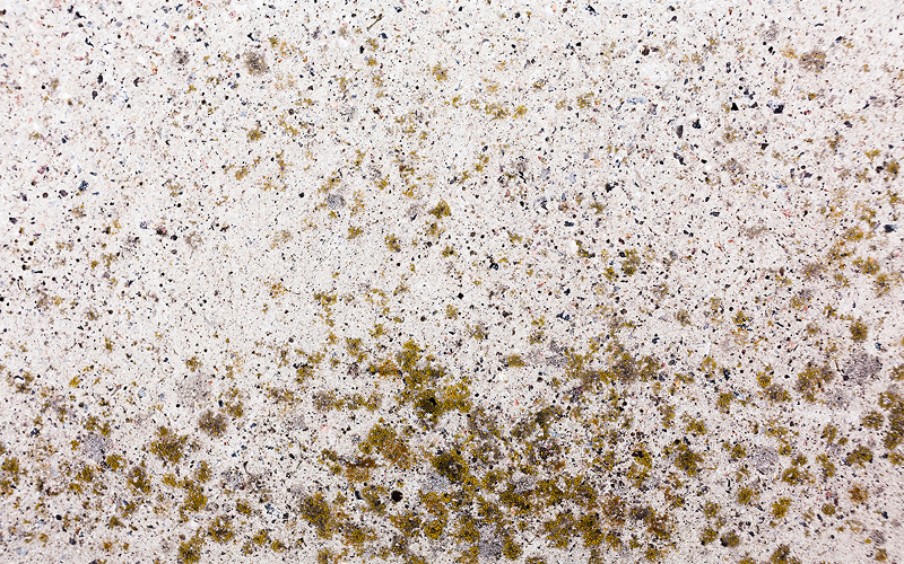
Mould mites never appear without a food supply. Presence points toward mould spores nearby, even when visible mould seems absent. Inspecting walls, shelves, and stored materials helps uncover hidden patches.
Removing mould sources remains the practical path for anyone researching how to get rid of mould mites effectively. Wiping away the insects alone rarely works if mould continues feeding them behind the scenes.
Hidden Mould Can Spread Quietly
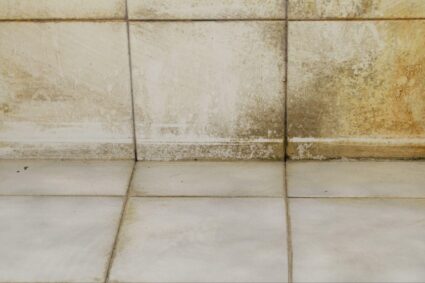
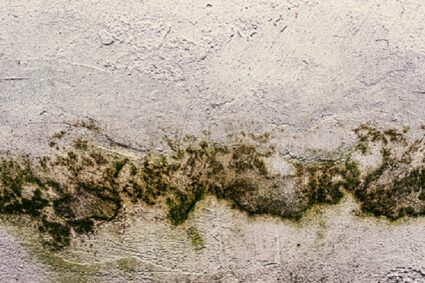
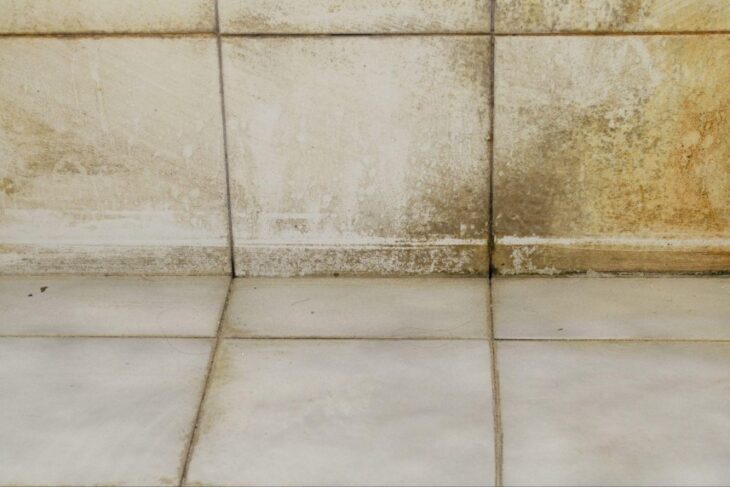
Mould sometimes develops behind furniture, under stored boxes, or along wall edges where air circulation stays limited. Overlooked spots provide ideal feeding grounds for mould mites.
Cleaning visible surfaces may remove mites temporarily, yet deeper mould growth can remain. Situations like this lead households to compare the price of mould removal in Singapore with the effort required to track down hidden mould themselves.
Practical Steps for Managing Mould Mites
Cleaning and Surface Care
Cleaning plays an important role when mould mites appear. Wiping shelves, vacuuming storage areas, and discarding mouldy items removes food sources that attract mites.
Air circulation also helps keep spores from settling on surfaces where mites feed. Households dealing with mould mite activity frequently discover that improving cleanliness and storage habits removes conditions that attract mites in the first place.
When Professional Help Becomes Practical
Persistent sightings may suggest a deeper mould issue. Larger patches hidden behind walls or furniture sometimes require professional inspection to locate properly.
Households facing widespread mould growth review the price of mould removal in Singapore to understand the scale of treatment required. Professional mould specialists inspect affected areas, remove contaminated materials, and clean surfaces to prevent further spread.
Conclusion
Mould mites may look harmless, yet their presence acts like a tiny alarm bell. Appearance signals mould spores somewhere nearby, which explains why pale specks wander across shelves and storage boxes. Addressing the mould source becomes the key step once mould mites appear indoors.
Simple cleaning, careful inspection of stored items, and mould removal can help reduce their numbers. When mould spreads beyond easy cleaning, professional treatment may provide a clearer solution.
Check out Mouldgone today to inspect affected areas, identify mould sources, and explore practical solutions for keeping indoor spaces clear of mould mites.