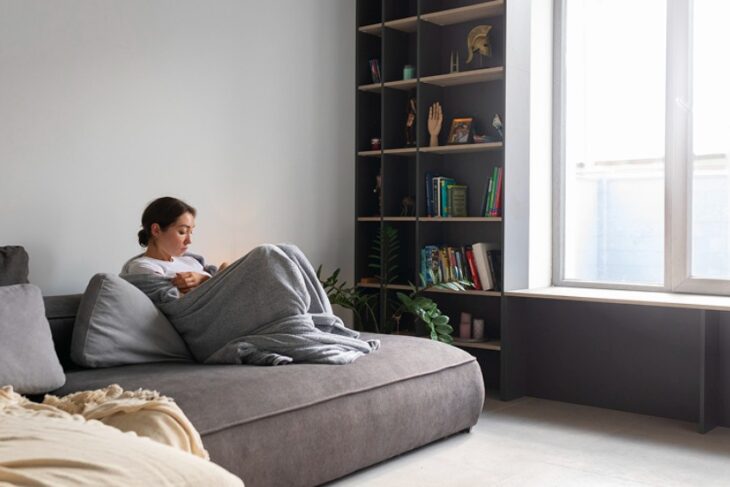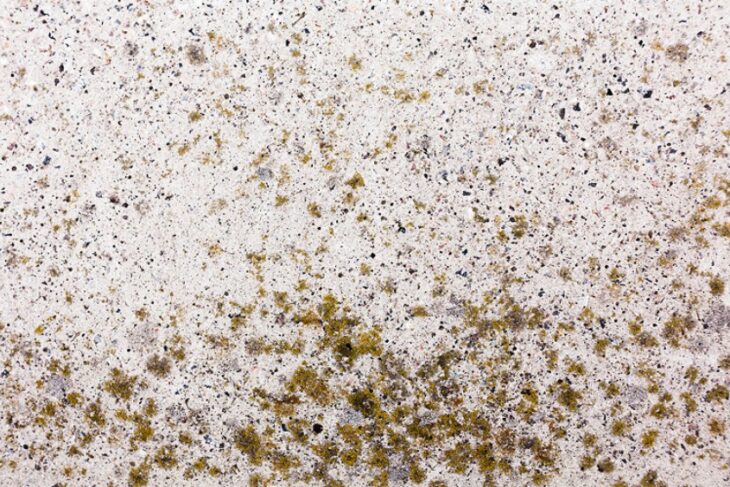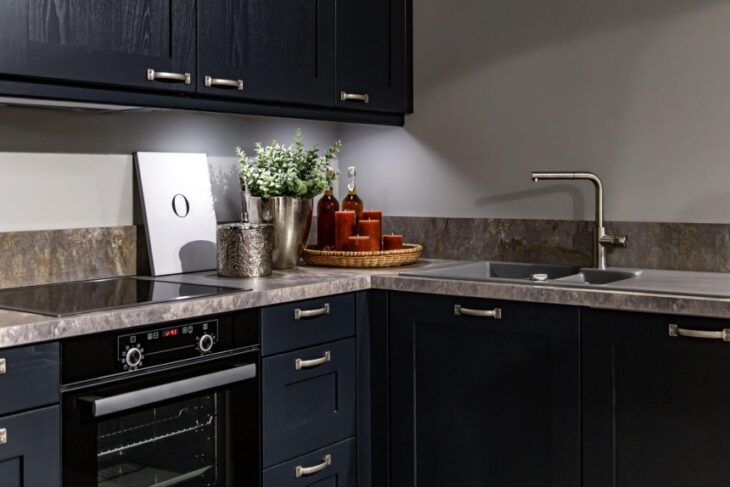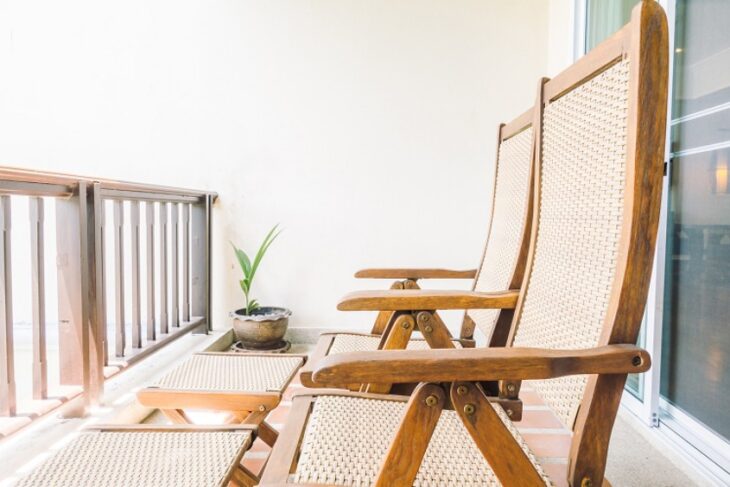



A neat space does not always bring peace of mind. You can tidy every surface and still feel unsettled moving from room to room. It usually signals an issue with flow rather than a mess. Feng Shui for a house in Singapore looks at how space supports daily movement, rest, and focus instead of relying on visual appeal alone.
In compact urban homes, layout decisions affect mood more than people realise. Small adjustments, when done thoughtfully, can ease daily friction without major renovation. Let’s explore a few grounded ways this approach reshapes how a home feels and functions.
Removing Blockages that Quietly Disrupt Daily Movement
Clutter rarely announces itself. It gathers in doorways, corners, and under furniture, slowly interfering with how a space feels. Feng Shui for a house begins by restoring natural pathways so rooms feel open and welcoming.
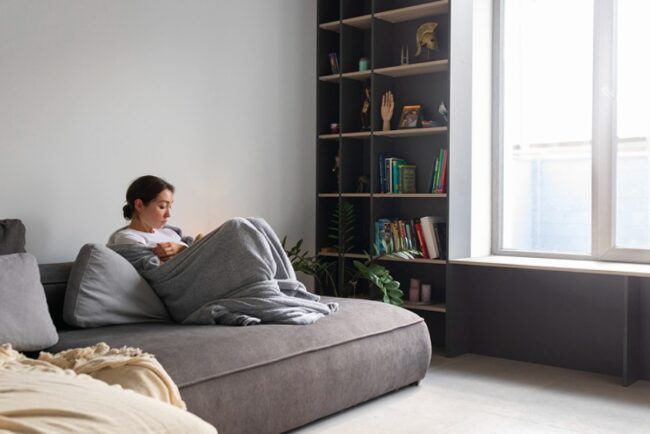
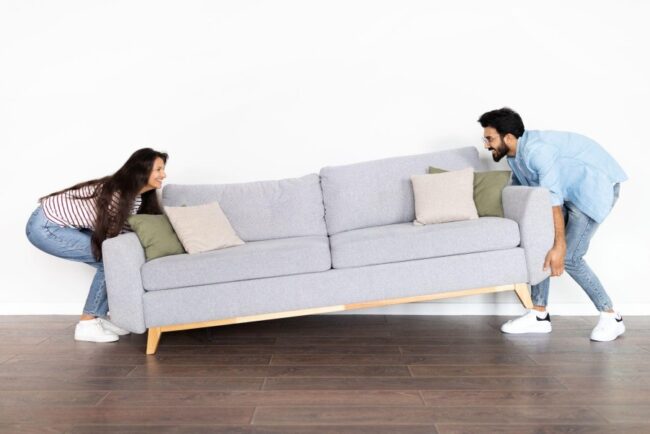
Start at the entrance. Shoes, bags, and unopened mail tend to collect here, creating mental noise before the day even begins. Clearing this area improves first impressions and daily transitions. Living rooms benefit when seating allows people to walk through without weaving around furniture. Bedrooms deserve similar care, especially the sides of the bed, which should remain accessible to support better rest.
These changes cost little yet shift how energy moves through the home, reducing subtle stress during everyday routines.
Shape Rooms Around Real Behaviour, Not Design Trends
Many interiors look polished yet feel awkward to use. Dining tables become work desks, sofas face walls, and bedrooms feel more practical than restful. Feng Shui for a house encourages layouts that follow actual habits rather than aesthetic ideals.
Observe how mornings unfold. If movement feels rushed or items feel out of reach, the layout may be working against you. Place frequently used objects closer to natural pathways. Position desks so the sitter faces into the room rather than a wall, which supports focus and awareness. Beds benefit from solid backing behind the headboard, creating a sense of stability during rest. When rooms align with daily behaviour, routines feel smoother and less mentally demanding.
Apply Feng Shui Tips For The Home To Balance Light And Visual Weight
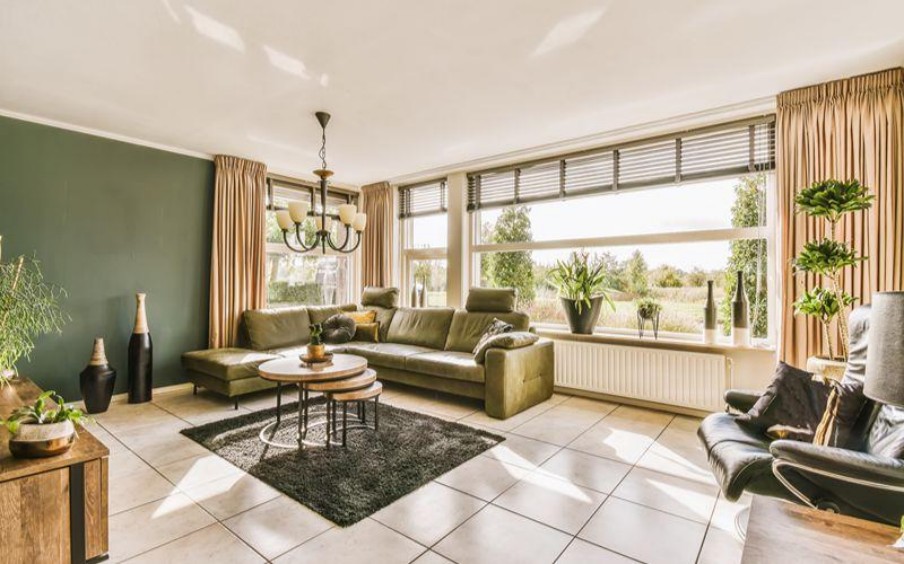
Light plays a quiet yet powerful role in how a space feels. Feng Shui tips for the home focus on achieving balance rather than maximising brightness. Too much glare creates restlessness, while dim corners encourage stagnation.
Observe how sunlight moves across rooms throughout the day. Adjust curtains to allow light without harshness. Mirrors help reflect brightness into darker zones when placed thoughtfully. Avoid positioning them directly facing beds or main doors, which can disrupt calm.
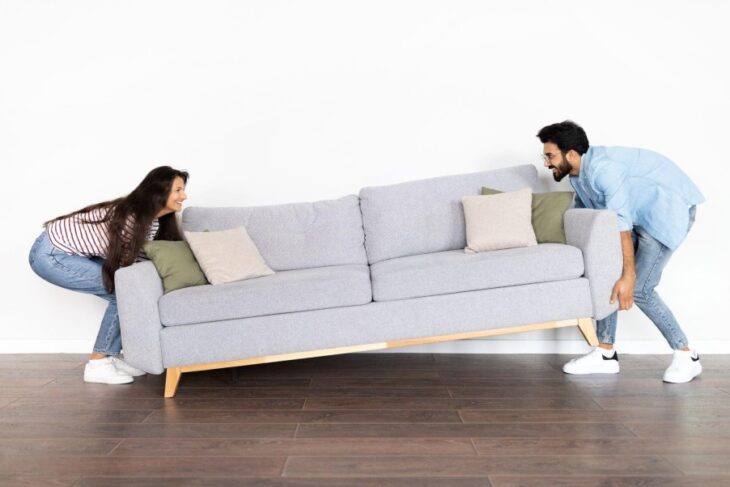
Furniture weight matters as well. Heavy items clustered on one side of a room create a visual imbalance. Redistributing pieces helps spaces feel grounded and comfortable. Applying Feng Shui tips in this way keeps rooms open without feeling exposed.
Maintain Harmony Through Steady, Realistic Habits
A refined layout loses its impact if habits undo the work. Feng Shui for a house in Singapore values consistency through simple routines rather than constant change. Weekly resets prevent clutter from rebuilding unnoticed.
Bedrooms benefit from keeping work devices away from sleeping areas. Kitchens feel calmer when counters stay clear between meals. Living spaces work better when décor remains purposeful instead of excessive. These habits support the physical adjustments already made.
Revisiting Feng Shui tips for the home every few months allows spaces to adapt as routines shift. Small refinements keep the home responsive without starting from scratch.
Key Takeaways
A home should support daily life, not quietly drain it. Feng Shui for a house in Singapore offers practical insight into why certain layouts feel tiring and how to correct them with intention. Managing blockages, aligning rooms with real habits, applying Feng Shui tips for the home to light and balance, and maintaining steady routines can restore ease. Thoughtful changes allow homes to feel calmer, more supportive, and easier to live in.
Contact Yuan Zhong Siu to explore how Feng Shui for a house can help restore balance and clarity within your living space.