



Personalizing your home is one of the most enjoyable parts of interior design. It lets you show off your interests and personality and make a place that really feels like yours. However, there is a fine line between thoughtful personalization and cluttered overdecorating. When too many elements compete for attention, the result can feel chaotic rather than cozy. Learning how to balance style and simplicity can help you achieve a beautiful, meaningful interior without overwhelming the space.
Start With a Clear Vision
Before adding decorative pieces, take time to define your personal style. Are you drawn to modern minimalism, warm rustic touches, or classic elegance? Having a clear direction makes it easier to choose items that complement each other. Instead of filling every corner with decor, focus on pieces that truly reflect who you are. This approach keeps your space intentional rather than cluttered.
Choose Meaningful Decor Items
Personalization does not mean filling your home with random objects. Select items that hold sentimental value, such as travel souvenirs, family photos, or handmade artwork. Displaying a few meaningful pieces tells your story without crowding your space. For example, a framed photo wall or a small shelf of curated keepsakes can add warmth without overpowering the room.
Use Color Thoughtfully
Color is a powerful way to personalize your interior. Rather than painting every wall in bold shades, consider using color through accent pieces like cushions, rugs, or artwork. This keeps the room balanced while allowing your personality to shine. Neutral backgrounds paired with selective pops of color can create visual interest without looking busy.
Focus on Quality Over Quantity
It is better to invest in a few high-quality decor pieces than to fill your home with many low-impact items. A unique coffee table, a chair that makes a statement, or a beautiful mirror can make the whole room look better. These focal points draw attention and give your space character while keeping the overall look clean and organized.
Keep Surfaces Clear
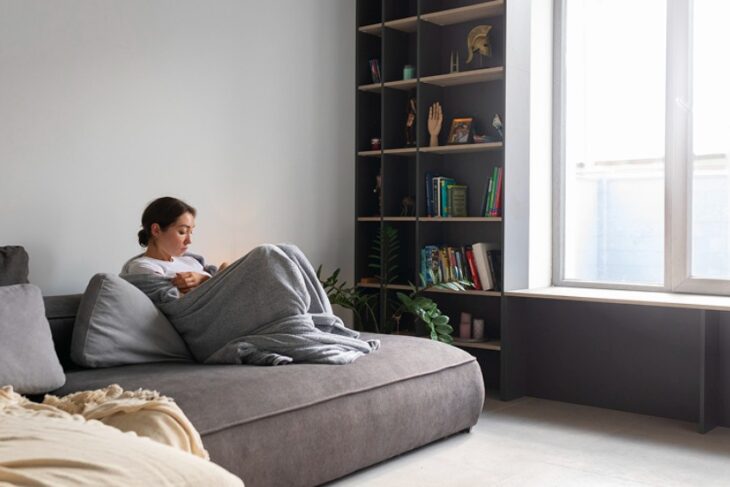
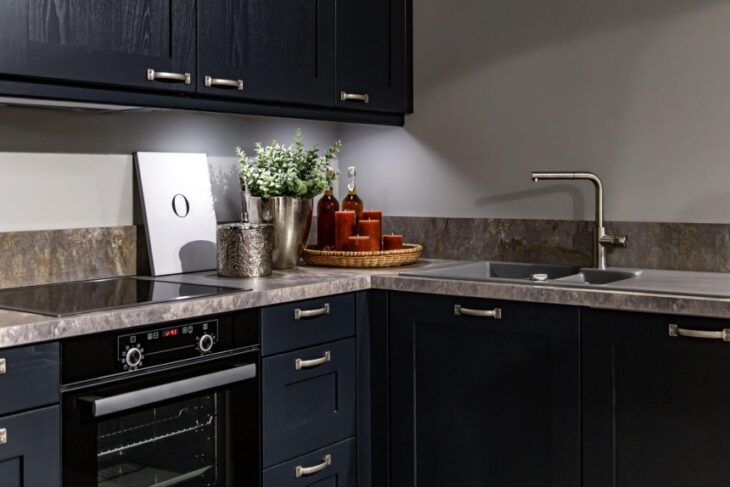
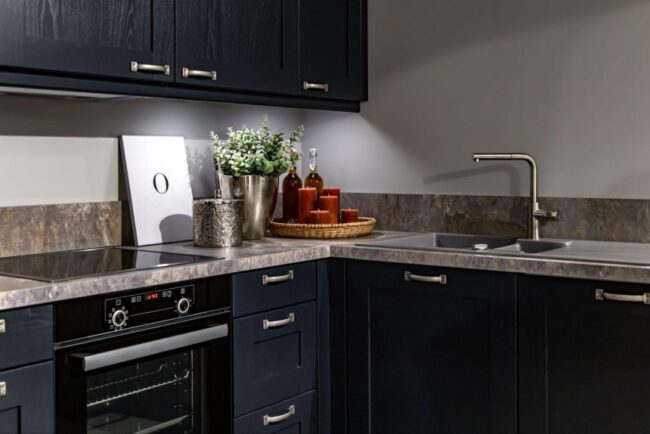
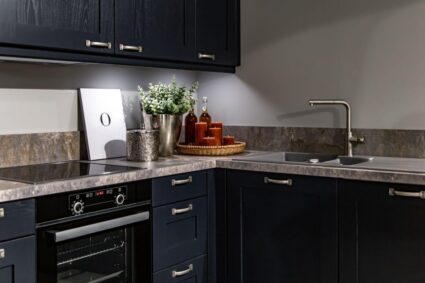
Overdecorating often happens when every surface is filled. Coffee tables, shelves, and countertops should have breathing space. Limit decor to a few carefully chosen pieces and leave some empty areas. This makes your home feel open and visually calming. Rotating decor seasonally can also keep your space fresh without adding more items.
Mix Personal Style With Professional Guidance
If you are unsure how to balance personalization and simplicity, working with professionals can make a big difference. Consulting the Best interior design firm Oregon homeowners trust can help you refine your ideas and bring them together in a cohesive way. Designers understand how to layer personal elements into a space while maintaining harmony and functionality.
Incorporate Texture Instead of More Objects
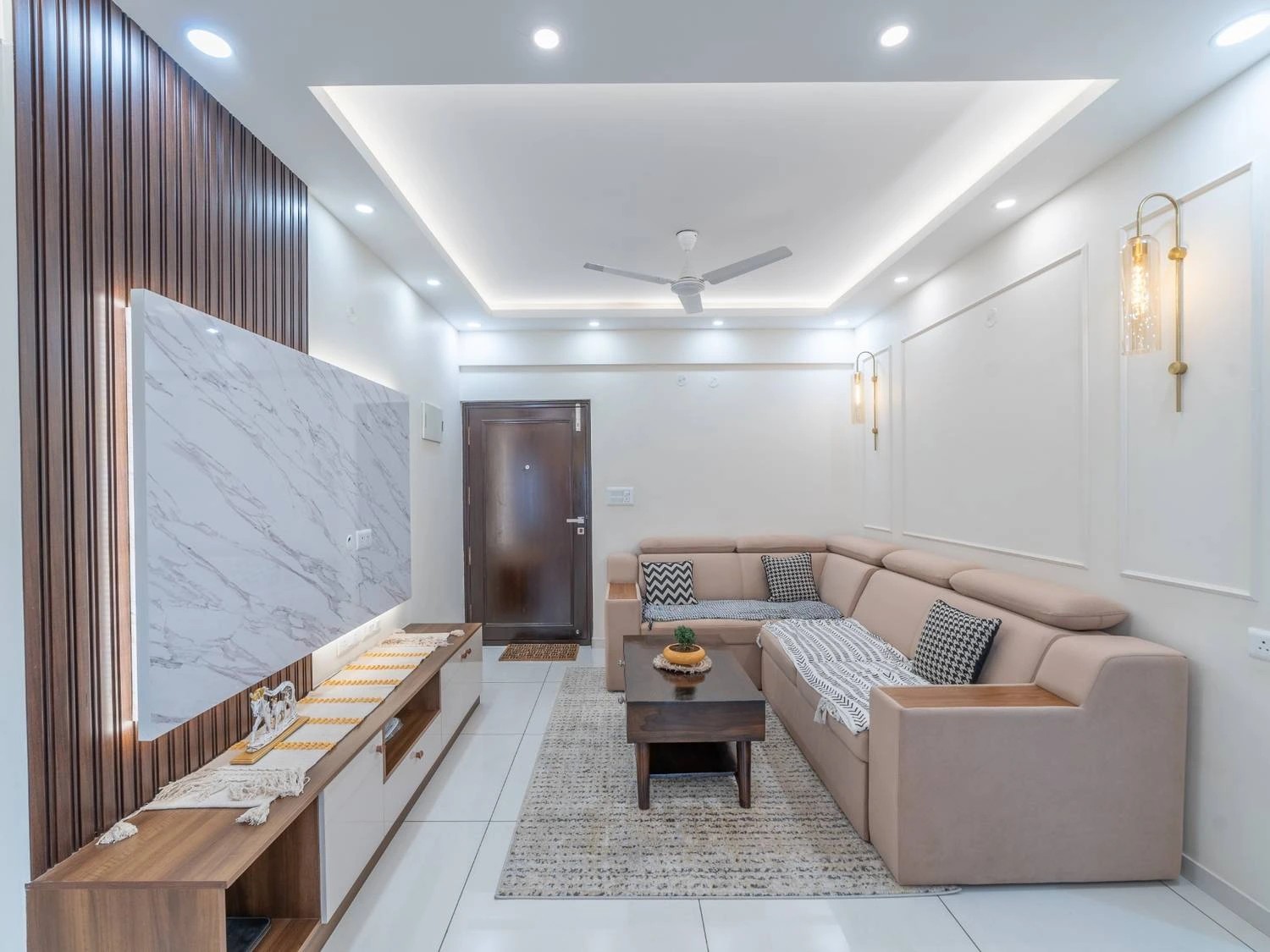
Instead of adding more decor, introduce texture through fabrics and materials. Soft throws, woven baskets, or textured wall finishes can add depth without clutter. These subtle changes create visual interest and warmth without crowding the room.
Edit Regularly
As time goes on, personalisation changes. Every two months, take a look at your decor. Don’t keep things that don’t help you or make you happy. This keeps your interior feeling planned and stops growth that isn’t needed. Making changes to your place is just as important as decorating it.
Final Thoughts
Personalizing your interior does not require filling every space with decorations. By choosing meaningful pieces, focusing on quality, and maintaining balance, you can create a home that feels uniquely yours without feeling overwhelming. Thoughtful design choices allow your personality to shine through while keeping your space stylish, comfortable, and clutter-free. With the right approach, your home can tell your story beautifully and effortlessly.