




4 Reasons Standard Condo Floor Plans Still Need Custom Interior Design Solutions

Key Takeaways
- Standard condo layouts are built for efficiency, not real-life living patterns.
- Furniture, storage, and circulation issues often emerge only after move-in.
- Lifestyle differences make one-size-fits-all layouts impractical.
- A competent interior design company in Singapore adapts standard plans into functional, long-term living spaces.
Introduction
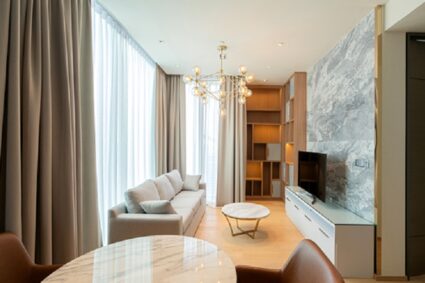
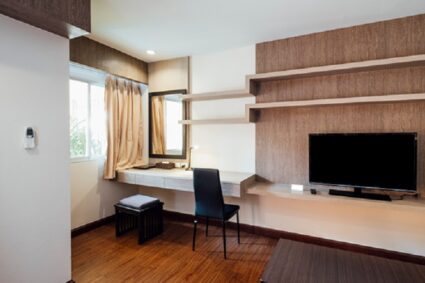
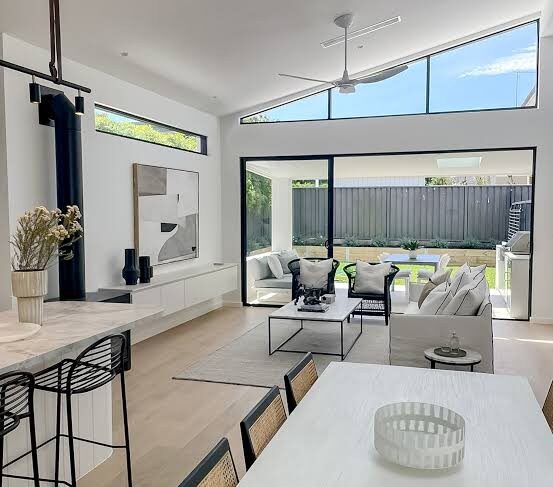
Most condominiums in the city-state are sold with standardised floor plans. These layouts are designed to maximise saleability, comply with regulations, and fit as many buyer profiles as possible. While efficient on paper, they rarely account for how homeowners actually live. This instance is why condominium interior design in Singapore almost always requires customisation, even when the layout appears “well planned”. Standard plans, without design intervention, often result in awkward furniture placement, underutilised spaces, and daily inconvenience. Custom interior design bridges the gap between developer intent and lived reality.
1. Standard Layouts Are Designed for Market Appeal, Not Individual Lifestyles
Developers design condo layouts to appeal to the broadest audience possible. This approach means neutral room sizes, generic circulation paths, and minimal built-in features. While this improves resale potential, it ignores how different households function. A couple working from home has very different spatial needs compared to a family with young children or an investor furnishing for rental.
Custom interior design allows the layout to be adapted to actual usage patterns. A study corner may need to replace a redundant dining area, or storage may need to be redistributed away from unused spaces. An experienced interior design company evaluates how occupants live day to day, then modifies spatial priorities accordingly. Homeowners, without this step, often end up adjusting their routines to fit the space, rather than the space supporting their routines.
2. Furniture Realities Rarely Match Developer Assumptions
Showflat layouts create the impression that standard furniture fits neatly into every room. In reality, actual furniture dimensions, clearance needs, and ergonomics often clash with these assumptions. Sofas may obstruct walkways, dining tables may crowd circulation paths, and wardrobes may reduce usable bedroom space once doors are opened.
Custom condominium interior design addresses these issues through precise space planning. Designers adjust wall treatments, built-in carpentry, and furniture proportions to maintain usability. Minor shifts in alignment or custom-built elements, in many cases, can significantly improve comfort and flow. However, without customisation, homeowners are forced to compromise on furniture choices or accept inefficient layouts.
3. Storage Requirements Are Consistently Underestimated
Standard condo floor plans typically allocate minimal storage, assuming residents will rely on loose furniture or external storage solutions. This approach does not reflect long-term living realities, especially for owner-occupiers. Seasonal items, cleaning equipment, work-related materials, and household supplies quickly accumulate.
Custom interior design integrates storage into underutilised areas such as corridors, bedroom headboards, kitchen recesses, and vertical wall spaces. A professional interior design company in Singapore designs storage as part of the spatial structure rather than an afterthought. This approach improves visual order and reduces clutter without sacrificing usable space. Standard layouts rarely anticipate these needs, making custom solutions essential.
4. Structural Constraints Require Design-Led Workarounds
Condo units come with fixed structural elements such as columns, beams, service ducts, and air-conditioning ledges. These elements often disrupt symmetry and limit furniture placement. Standard floor plans acknowledge these constraints but do not resolve them functionally or aesthetically.
Custom condominium interior design turns constraints into integrated design features. Columns can be absorbed into cabinetry, beams concealed through ceiling treatments, and awkward recesses converted into functional niches. These solutions require careful coordination between design and construction. However, without professional input, such constraints remain visual and functional liabilities within the home.
Conclusion
Standard condo floor plans are efficient frameworks, not finished living solutions. They prioritise market flexibility over individual comfort, long-term usability, and lifestyle alignment. Custom interior design transforms these generic layouts into spaces that function properly for real occupants. Engaging a capable interior design company in Singapore ensures that condominium interior design decisions are guided by how the home is actually used, not just how it looks on a brochure.
Contact Jialux Interior and let us convert standard condominium layouts into functional, long-term living spaces.