



Key Takeaways
- Recurrent mould damage is often caused by design flaws that trap moisture rather than surface hygiene issues.
- Poor ventilation, incorrect material selection, and concealed condensation points undermine mould remediation efforts.
- Mould remediation, without addressing design-level problems, becomes a recurring cost rather than a long-term solution.
- Effective prevention requires correcting airflow, drainage, and moisture pathways within the building structure.
Mould damage that repeatedly returns after cleaning or repair is rarely a coincidence. The root cause, in many cases, lies in how a building was designed rather than how it is maintained. While mould remediation can remove active growth, it cannot permanently resolve issues created by structural or architectural flaws that continuously introduce moisture into enclosed spaces. Knowing these design weaknesses is critical for property owners, developers, and facility managers seeking long-term control rather than repeated remediation cycles.
Discover the common building design flaws that lead to recurrent mould damage and learn why remediation efforts often fail when these issues remain uncorrected.
1. Inadequate Ventilation Planning
One of the most frequent contributors to ongoing mould damage is insufficient ventilation, particularly in moisture-prone areas such as bathrooms, kitchens, utility rooms, and storage spaces. Buildings designed with undersized exhaust systems or poorly positioned vents fail to remove humid air effectively. Moisture then condenses on walls, ceilings, and hidden cavities, creating an environment where mould can thrive.
Ventilation systems in many developments are designed to meet minimum regulatory requirements rather than real-world usage patterns. Once air exchange rates are too low or airflow paths are poorly planned, mould remediation only addresses the visible result, not the moisture accumulation that continues behind surfaces.
2. Poor Drainage and Water Management Design
Improper drainage design allows water to pool or migrate into areas not intended to handle moisture. Flat roofs with insufficient slope, poorly detailed balconies, and inadequate waterproofing transitions are typical sources of recurring mould damage. Water intrusion from these areas often travels slowly through structural layers, remaining undetected until mould growth becomes widespread.
Even after mould remediation removes contaminated materials, ongoing water ingress will continue to feed new growth. Remediation outcomes are temporary at best without correcting drainage gradients, sealing failures, or water diversion pathways.
3. Thermal Bridging and Condensation Traps
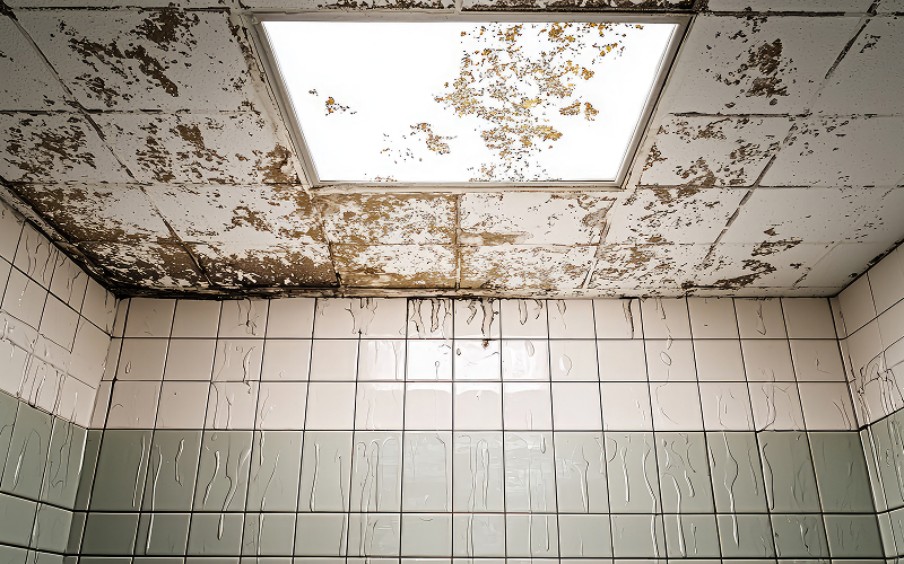
Thermal bridging occurs when building elements conduct heat differently, creating cold surfaces where moisture condenses. Common examples include concrete beams, steel framing, and poorly insulated junctions between walls and ceilings. These cold spots often sit behind finishes, making condensation invisible until mould damage becomes advanced.
Buildings with inadequate insulation continuity or poorly designed envelope transitions are particularly vulnerable. Mould remediation in such cases treats symptoms, but condensation will continue to form unless insulation and thermal performance issues are addressed at a design or retrofit level.
4. Concealed Cavities With No Airflow
Modern construction frequently includes concealed voids, service ducts, and boxed-in piping runs that lack airflow access. These enclosed spaces trap humidity from plumbing systems, air-conditioning lines, or minor leaks. Over time, moisture accumulates and supports hidden mould growth that spreads into surrounding materials.
Once mould damage emerges at the surface level, remediation becomes complex and invasive. Additionally, if cavity ventilation is not improved, the same conditions will persist even after extensive remediation work is completed.
5. Inappropriate Material Selection
Some materials are poorly suited for humid or poorly ventilated environments. Timber-based products, untreated gypsum boards, and absorbent finishes readily retain moisture. Once used in bathrooms, basements, or external-adjacent walls without adequate protection, these materials accelerate mould damage.
Mould remediation frequently involves removing and replacing these materials, but unless future material choices account for moisture exposure, recurrence is likely. Durable, moisture-resistant materials are essential in areas with ongoing humidity risks.
6. Design That Prioritises Aesthetics Over Function
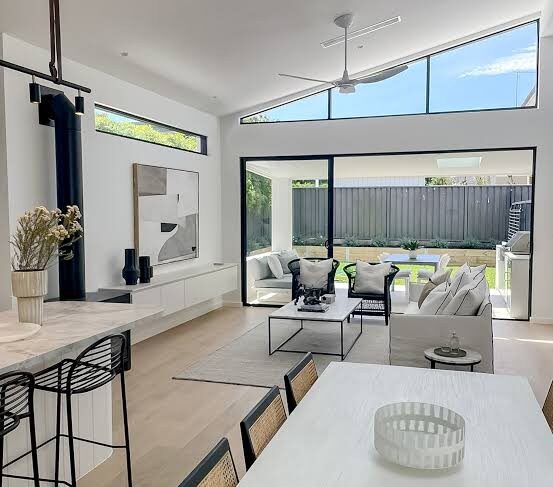
Architectural designs that prioritise clean lines, concealed services, and minimal visible ventilation often compromise moisture management. Hidden gutters, flush wall systems, and sealed façades may appear refined but can restrict inspection access and airflow. Once leaks or condensation develop, they remain unnoticed until mould damage becomes severe.
Mould remediation, in such cases, is reactive and costly. Functional design considerations, including access panels and visible ventilation routes, are critical for long-term moisture control.
Conclusion
Recurrent mould damage is rarely resolved through cleaning or surface-level repairs alone. Design flaws related to ventilation, drainage, insulation, cavity airflow, and material selection create conditions where mould repeatedly returns despite professional mould remediation. Long-term resolution requires identifying and correcting these structural contributors. Remediation efforts without design-level intervention will continue to address the same problem in cycles, increasing costs and disruption over time.
Visit BELFOR and discover a proper mould evaluation that can stop the cycle instead of resetting it.